Silverstein and Story of the Year Announce “Camp Screamo 2” Tour
Developed over time first seen 3 months ago
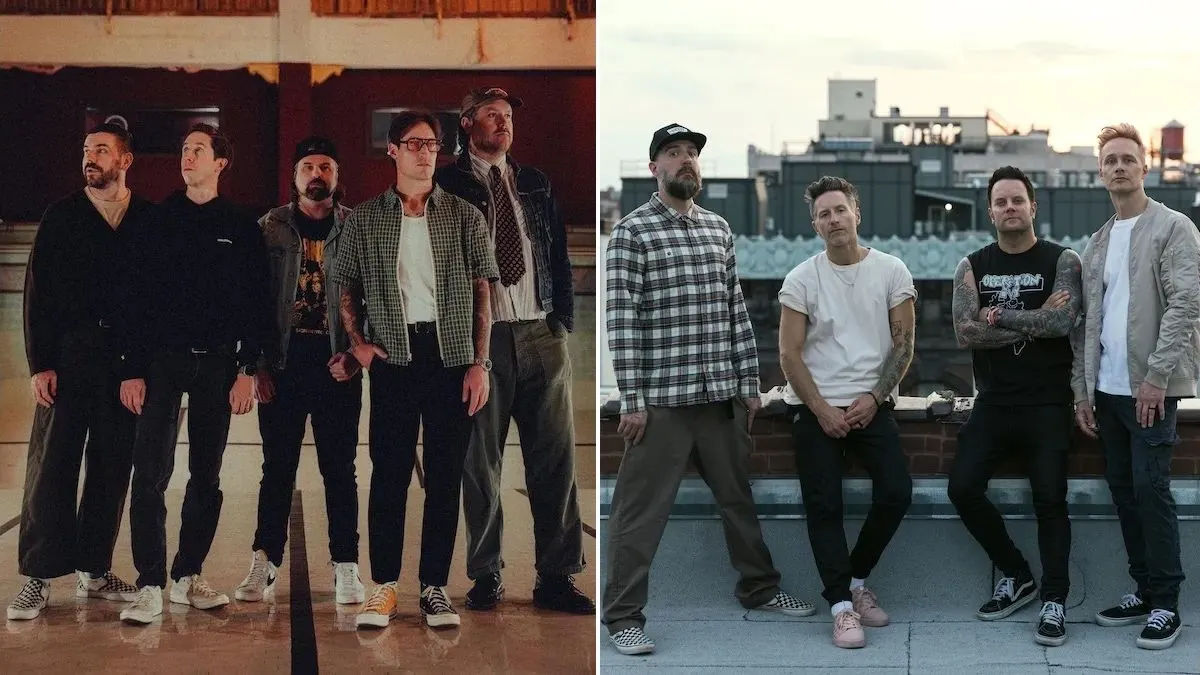
Silverstein and Story of the Year have confirmed "Camp Screamo 2", a second leg of their co-headlining tour that will take the pairing across further North American cities into December 2026. The extension follows an ongoing first leg and reflects the strength of demand for the bands' joint outing, with organisers promising fans in previously unvisited cities the biggest production yet, alongside support acts Stand Atlantic and Footballhead.
The new leg opens on 16 November in Seattle and runs through Los Angeles, Atlanta and Philadelphia before closing in Boston on 13 December. A pre-sale using the code CAMPSCREAMO ran via Ticketmaster from 28 July, with general tickets going on sale on Friday, 31 July at 10am local time. Silverstein are touring in support of their double album Antibloom/Pink Moon, while Story of the Year are promoting their record A.R.S.O.N.
- Silverstein and Story of the Year add "Camp Screamo 2" tour leg
- Runs 16 November (Seattle) to 13 December (Boston) 2026
- Stand Atlantic and Footballhead support; tickets on sale 31 July
New here? Start with this
Silverstein and Story of the Year are two long-running American and Canadian rock bands associated with the screamo and post-hardcore scenes, genres known for blending melodic singing with harsher, more aggressive vocals. Both acts built dedicated followings in the 2000s and have continued releasing music and touring in the years since, making them well known within that corner of rock music even as mainstream attention has shifted elsewhere.
The two bands previously joined forces for a co-headlining outing called "Camp Screamo," pairing their sets together rather than each playing separate shows. Co-headlining tours like this are common in the music industry as a way for similarly sized acts to pool audiences, share costs and reach fans who follow either band.
This kind of tour matters mainly to fans of screamo and post-hardcore music, as well as to the wider live music industry, since it reflects ongoing demand for acts from that scene and shows how established bands continue to draw audiences years after their commercial peak.