Chinese operatives allegedly breached US voter records, Trump claims
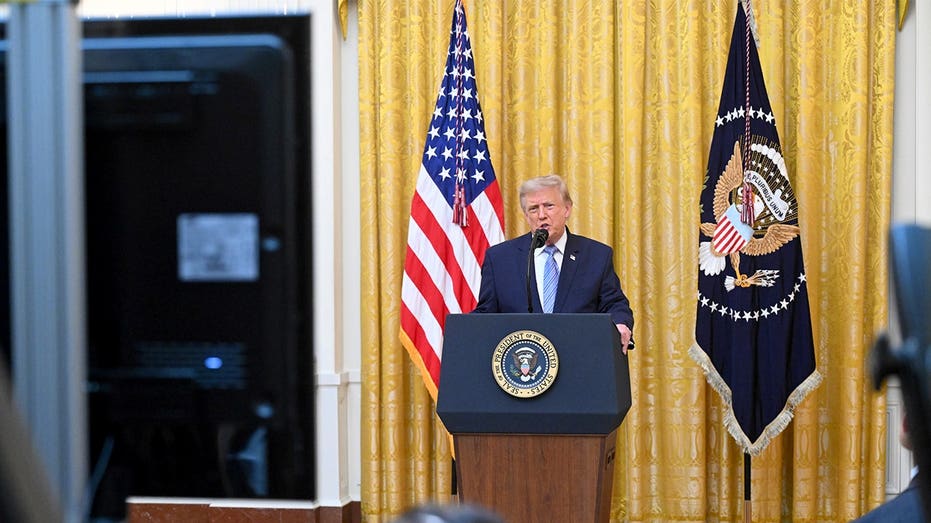
President Trump's primetime address on election security drew attention largely for its uneven broadcast, with ABC, NBC and CNN's news divisions declining to air it live on their main channels while Sinclair-owned local affiliates preempted programming to carry the White House's own feed. During the speech, Trump criticised the networks that refused to broadcast it, naming ABC and NBC directly, and used the platform to allege that Chinese operatives had infiltrated American voter records.
Full details of the alleged breach, including its scale, timing or the evidence behind the claim, were not substantiated in available coverage, and no independent confirmation or official follow-up has since emerged. The episode has instead settled as a story about fractured media coverage of a presidential address as much as about the underlying security claim, underscoring ongoing tension between the White House and major broadcasters over how such speeches are carried.
- Sources
- 3
- Outlets
- 3
- Left · Centre · Right
- 0 · 0 · 2
In short
- Trump alleged Chinese operatives breached US voter records in a primetime speech
- ABC, NBC, CNN skipped live broadcast; Sinclair affiliates aired it anyway
- Trump publicly criticised ABC and NBC for declining to air the address
How this story developed
- 3 months ago Later accounts dropped the earlier 220 million estimate altogether, reporting only that the scale of the alleged Chinese infiltration was never spelled out, while reframing the story around deepening friction between the White House and national broadcasters over who controls direct access to television viewers.
- 3 months ago Coverage sharpened with confirmation the speech aired on a Thursday evening and that the shunning networks nonetheless kept it reaching audiences via online streams, while a specific figure emerged that Trump's alleged Chinese infiltration had touched roughly 220 million voter records, a claim that drew fresh condemnation from opposition figures who cast it as part of a wider pattern of alarming election rhetoric.
- 3 months ago President Trump's primetime address on election security was reported chiefly for its patchy broadcast, with ABC, NBC and CNN's news divisions refusing to carry it live and Sinclair's local affiliates preempting schedules to run the White House's own feed, as Trump used the address to blast ABC and NBC by name and to claim Chinese operatives had breached American voter records, a claim that remained unverified in any subsequent reporting.
Steelman: both sides, in good faith
The strongest fair case each way — we don't pick a winner.
The case for
Supporters of the President's approach would argue that election security is a matter of urgent national importance, and that a sitting president has both the right and the responsibility to speak directly to the American people about it, especially when he believes major broadcasters are reluctant to give the claim due attention. They would contend that going around networks perceived as unsympathetic, whether via a dedicated feed or friendly affiliates, is a legitimate use of the bully pulpit rather than a subversion of the press, and that raising an allegation of foreign interference, even before every detail is public, is preferable to staying silent while a genuine vulnerability goes unaddressed.
The case against
Critics, including at the networks that declined to air the speech live, would argue that broadcasters have editorial discretion and a professional duty not to amplify extraordinary claims, such as a foreign breach of voter records, without independent verification, since doing so risks lending presidential authority to unsubstantiated allegations that could undermine public confidence in elections. They would say that naming networks critically for exercising that judgement, while routing the address through sympathetic outlets instead, blurs the line between official communication and partisan messaging, and that responsible journalism requires exactly the caution the networks showed pending corroborating evidence.
Explained simply
US voter records are lists maintained mainly by state and local election authorities. They typically include a voter’s name, address, registration status and, in some places, information about whether they voted, but do not show how anyone cast their ballot. Protecting these systems is an important part of election security.
China is a major foreign power that US officials have previously accused of conducting cyber-espionage and other online operations. Claims that foreign operatives accessed election-related data can raise concerns about privacy, public confidence and possible interference, but the significance depends on what information was accessed and what evidence is available.
US television networks usually decide independently whether to carry presidential speeches live. They may choose not to do so when they believe a speech is not a formal national address, while some local television groups can make different decisions about what to broadcast.
Coverage · 3 sources
Bias meters
From 2 rated sources, 1 unrated.
Elections Entertainment Government Politics Software Technology TV World