World news and discussion on TalkFuse.
Singapore’s stronger haze law: How it might work and what it may not fix
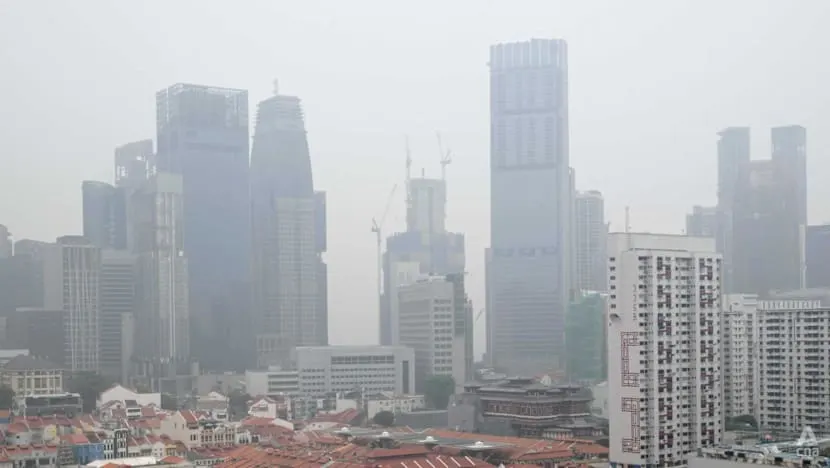
Singapore has passed a stronger Transboundary Haze Pollution Act, giving authorities expanded powers to investigate and penalise companies linked to fires that cause haze. Experts say the changes could improve accountability, but their impact will depend on enforcement, cooperation from companies and access to evidence across national borders.
The amendments allow fines of up to S$20 million, civil penalties of up to S$10 million and restrictions on business dealings with designated companies or individuals; those who deal with them could face fines of up to S$1 million. They also permit criminal trials without an accused person present and give officers arrest powers. The law has produced no convictions since it was introduced in 2014: notices served on six Indonesian plantation companies after the 2015 haze crisis led to two cases being closed without penalties, while four remain unresolved.
In short
- Singapore has strengthened its law against companies linked to haze.
- Fines can reach S$20 million, with business restrictions also possible.
- Experts say enforcement and cross-border cooperation remain essential.