Singer Phil Collins blasts Trump as ‘nasty,’ teases song about America called ‘Fat People with Guns’
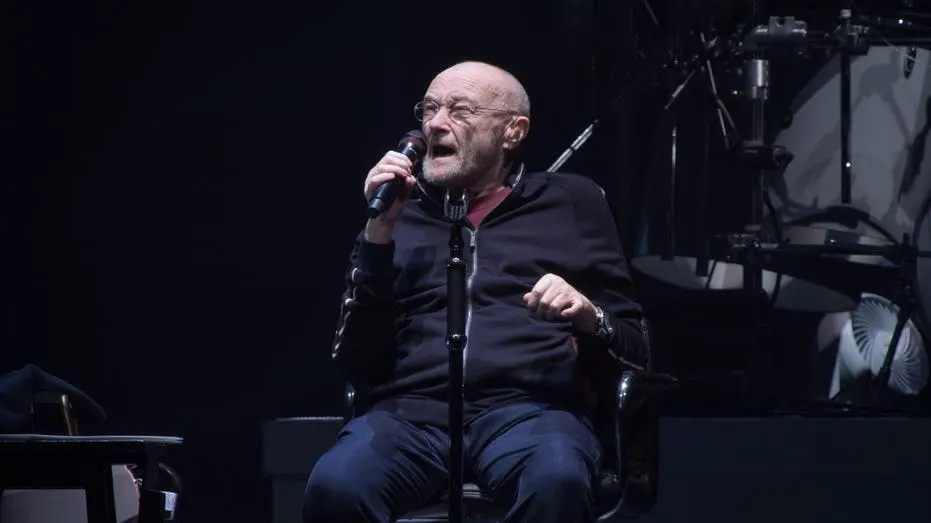
Phil Collins criticised President Trump as "nasty" during a Piers Morgan interview, describing the president's manner as "unattractive" compared to past commanders-in-chief. The 75-year-old British rock icon also revealed he has an unwritten song about America titled "Fat People with Guns," which has drawn attention as he prepares for induction into the Rock & Roll Hall of Fame as a solo artist.
Collins also expressed concern that Trump might attempt to circumvent constitutional term limits, despite describing himself as "not a political person." His remarks come amid broader debate about whether musicians should criticise America broadly or restrict their commentary to political figures and policy, with public relations experts warning that broad cultural criticism risks alienating audiences who fund their careers.
- Phil Collins calls Trump "nasty" and criticises his demeanour
- Musician reveals unwritten song about America titled "Fat People with Guns"
- PR experts warn artists risk backlash when criticising US culture rather than politics
New here? Start with this
Phil Collins is a prominent British rock musician, best known as the drummer and later singer of Genesis, one of the most commercially successful rock bands of the 1970s and 1980s. His long career in popular music means his public statements, particularly on political matters, attract significant media attention and public discussion.
When well-known entertainers publicly express political opinions or criticise political figures, it becomes news partly because such figures have large audiences whose views may be influenced. Media outlets also consider celebrity political statements inherently interesting to readers. There is considerable public debate about whether famous performers should engage in political commentary at all, and if they do, whether they should focus on specific policies and politicians or comment more broadly on culture and society.
Some observers worry that musicians who make sweeping cultural criticisms risk damaging their commercial appeal by alienating audience members who fund their work. Others argue that artists should have the freedom to comment on broad cultural and political issues, not just specific politicians and policies.
Both sides, in good faith
The strongest fair case each way — we don't pick a winner.
The case for
Musicians occupy a unique cultural position and ought to use their platforms for substantive artistic expression, including broad social commentary. Critics argue that restricting artists to narrow political critique neuters the power of cultural voices and that sweeping observations about society—even uncomfortable ones—can illuminate systemic patterns that targeted policy commentary alone cannot capture. Free expression, they contend, is precisely what gives artists legitimacy and influence; self-censoring to avoid offending any segment of the audience compromises artistic integrity and reduces music to promotional material.
The case against
Broad cultural generalizations that demean large groups of Americans risk alienating the very audiences whose support sustains musicians' careers and platforms. Opponents argue there is meaningful distinction between critiquing specific policies or political leaders and making sweeping disparaging remarks about American culture or citizens themselves, which can read as elitist condescension rather than substantive engagement. They contend that artists maximise their actual political influence by maintaining broad appeal and credibility, whereas scorning the cultural tastes of ordinary people who fund their work proves counterproductive to building the coalitions necessary for meaningful change.