Health news and discussion on TalkFuse.
Single-sex spaces code comes in force more than year after Supreme Court ruling
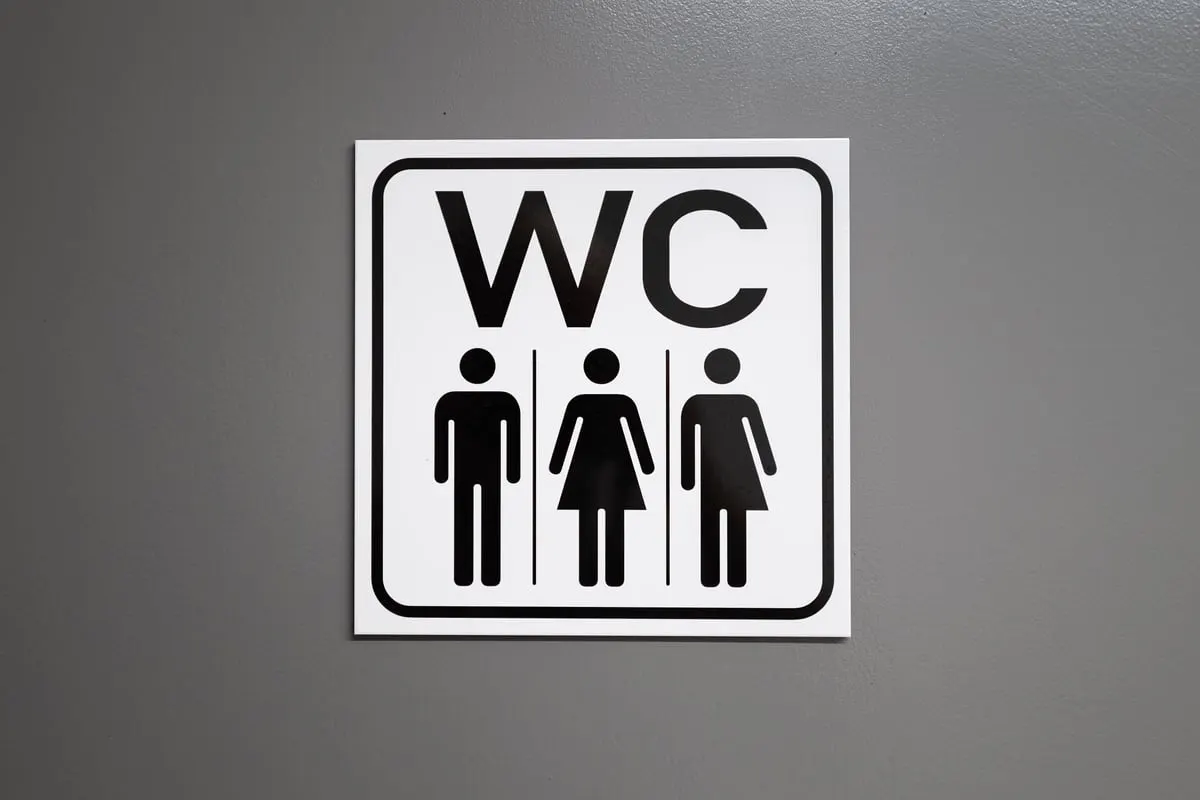
The United Kingdom's revised code of practice for single-sex public facilities has taken effect, establishing that services including bathrooms, dressing areas, hospital wards, and domestic violence refuges must operate on the basis of biological sex rather than personal gender identity. The guidance, arising from a Supreme Court ruling in spring 2025 and covering England, Scotland, and Wales, provides legal reference material for businesses and organisations offering such services and carries weight in potential court challenges.
The policy's implementation involves substantial practical demands, with analysts projecting that approximately 13,000 bathroom facilities and over 5,000 dressing rooms will require renovation across healthcare, leisure, and hospitality venues. Public-sector costs are estimated at roughly £20 million upfront plus £14 million yearly, though the government maintains many organisations may already comply with no additional expense. The code simultaneously acknowledges that self-contained, individually controlled facilities accessible to all could address access concerns for those affected by the new requirements.
In short
- UK single-sex facilities code now mandatory, requiring biological-sex-based segregation for toilets, changing areas, hospital wards, and refuges
- Infrastructure overhaul estimated to affect 13,000+ toilets and 5,000+ changing rooms nationwide, costing public sector £20M+ initially plus recurring millions
- Government acknowledges alternative unisex facilities could provide universal access while preserving single-sex spaces
Steelman: both sides, in good faith
The strongest fair case each way — we don't pick a winner.
The case for
Supporters argue that biological sex-based single-sex spaces uphold legitimate privacy and safety expectations that have long underpinned these intimate public facilities, particularly in healthcare and refuges serving trauma survivors. They contend this preserves established social norms around bodily privacy, and note that the code acknowledges individually accessible facilities as alternatives, thereby balancing privacy concerns with equal access to public services.
The case against
Opponents acknowledge this provision but argue the policy still denies transgender individuals equal access to standard facilities, which they contend constitutes meaningful exclusion and stigma. They assert that privacy expectations can be adequately met through truly inclusive design, and maintain that equal recognition of gender identity is essential to a fair and dignified society.
Explained simply
The Equality Act 2010 sets rules against discrimination and allows some services to be provided separately for women and men in particular circumstances. A code of practice explains how those rules should be applied; it is used by organisations and can be considered by courts in legal disputes.
The Supreme Court’s 2025 ruling clarified how the Act’s terms relating to sex apply. The Equality and Human Rights Commission, which oversees equality law in Great Britain, prepared the revised guidance for services such as toilets, changing rooms, hospital wards and refuges.
The issue affects people who use these services, as well as the organisations responsible for providing them. The guidance addresses how services should be organised and recognises that private, self-contained facilities open to everyone may help meet different access needs.
Health Medicine Sheffield Space Technology