Culture news and discussion on TalkFuse.
Skyrim lead designer gives the most succinct summary of Bethesda’s design I’ve ever heard: ‘You’re not playing my game, I’m making your game’
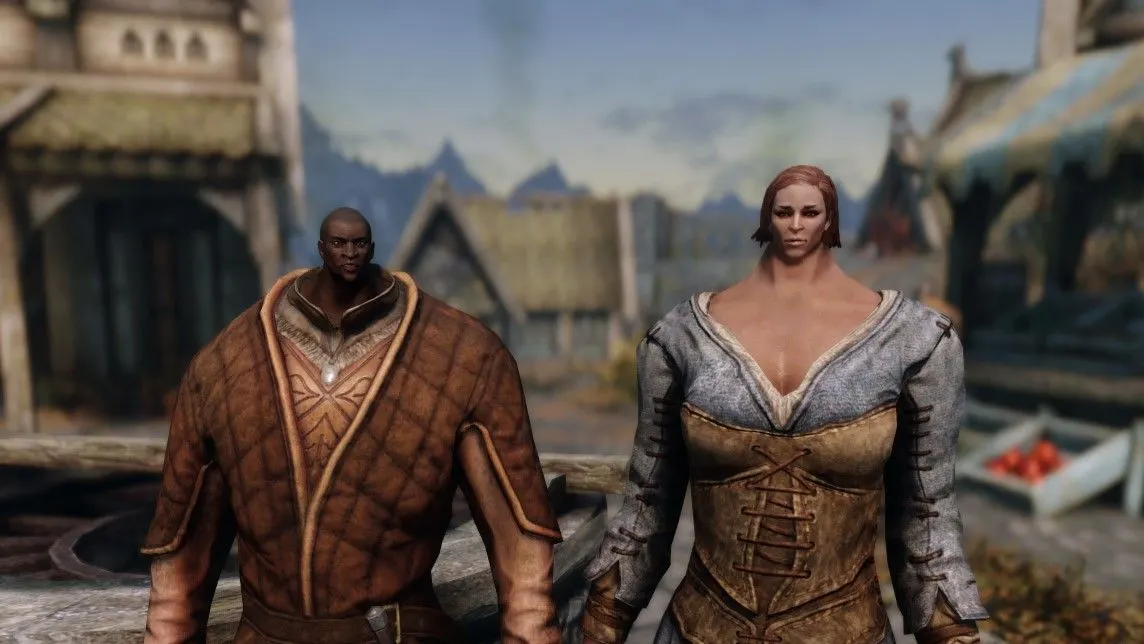
Skyrim lead designer Bruce Nesmith described Bethesda’s player-centred design philosophy as making games that belong to players, who can choose how to play them. He said developers should not judge a player’s approach as wrong, and that this outlook encourages varied content and flexible systems.
The article argues that this openness is both a strength and a weakness of Bethesda’s role-playing games. Players can change direction, builds and questlines freely, but the worlds may feel unresponsive because choices rarely create strong consequences. Nesmith also discussed other topics, including institutional knowledge, Baldur’s Gate 3 and what he hopes to see in The Elder Scrolls 6: Sentinel.
In short
- Nesmith says Bethesda games should belong to their players.
- Flexible systems let players choose their own approach.
- That freedom can make game worlds feel unresponsive.
Steelman: both sides, in good faith
The strongest fair case each way — we don't pick a winner.
The case for
A player-centred design lets people shape an adventure around their own interests, whether they follow the main story, pursue side quests or change their character along the way. Flexible systems can make a large world welcoming and replayable, while avoiding the sense that there is only one correct way to play.
The case against
If a game accommodates almost any choice without making the world respond meaningfully, freedom can feel superficial. Stronger consequences and more distinct reactions could make decisions matter, deepen role-playing and give characters and communities a clearer sense of continuity.
Explained simply
Bethesda Game Studios makes large role-playing games such as Skyrim and Fallout, where players explore a fictional world, take on quests and shape a character over time. Bruce Nesmith was a lead designer on Skyrim, part of the team that builds these games and decides how their systems work.
Bethesda’s games often let players choose which quests to follow and how to develop their characters, rather than requiring one set path. That freedom can make play styles feel personal, while also raising questions about how strongly the world should respond to players’ choices.
These design choices matter to fans and developers because they affect how open and consequential a role-playing game feels. The Elder Scrolls 6 is the planned next main game in Bethesda’s fantasy series, so discussion of its design draws on expectations shaped by earlier games.
Culture Entertainment Fashion Gaming