Culture news and discussion on TalkFuse.
Slash your cholesterol by a third in just a month… hundreds of thousands are on a new diet that’s transforming lives. Here are the exact foods you need to avoid a life on statins: MEIKE LEONARD
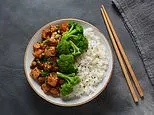
High cholesterol, which affects more than half of British adults, causes fatty deposits to build up in the arteries and raises the risk of heart attack, stroke and dementia. While nearly eight million people in the UK take statins to manage it, the drugs can cause side effects and often fail to bring cholesterol down to healthy levels, prompting renewed attention to the "Portfolio diet" as an alternative or complementary approach that experts say can rival medication's effectiveness.
Devised by Canadian researcher Dr David Jenkins in 2002, the diet combines fibre, unsaturated fats, nuts and legumes, which together are said to lower "bad" LDL cholesterol by up to 35% within a month, comparable to some statins. A 30-year Harvard study of nearly 210,000 health professionals found close adherents had a 14% lower risk of cardiovascular disease than those who followed it least, while cutting red meat alone can lower LDL by around 10%. Jenkins notes the diet suits people who need only a modest cholesterol reduction rather than the steep drops provided by newer, stronger statins, and benefits general health regardless of cholesterol levels.
In short
- Portfolio diet may cut LDL cholesterol by up to 35% in a month
- Combines fibre, unsaturated fats, nuts and legumes, rivalling some statins
- Harvard study links it to 14% lower cardiovascular disease risk
Steelman: both sides, in good faith
The strongest fair case each way — we don't pick a winner.
The case for
The Portfolio diet represents a scientifically-backed, natural approach with demonstrated ability to lower LDL cholesterol by up to 35 per cent in a month, comparable to some statins. Beyond cholesterol reduction, the diet improves overall health through beneficial fibre and unsaturated fats, and is particularly suited to those requiring only modest reductions. Many patients prefer evidence-based lifestyle interventions when effective, as they avoid pharmaceutical side effects and preserve patient autonomy over treatment decisions.
The case against
Whilst the Portfolio diet shows research promise, most patients cannot maintain such strict dietary requirements long-term, and real-world adherence is likely far lower than clinical studies indicate. For those at genuine cardiovascular risk, statins provide faster, more reliable LDL reductions with strong trial evidence for preventing heart attacks and strokes. Patients with genetic high cholesterol or multiple risk factors cannot safely rely primarily on diet, as delaying necessary medication carries substantial risk, whilst modern statins are cost-effective, evidence-based, and well-tolerated for most people.
Explained simply
Cholesterol is a fatty substance in the blood. Too much LDL, often called “bad” cholesterol, can contribute to fatty build-up in the arteries and increase the risk of heart and circulation problems.
Statins are medicines commonly prescribed to lower LDL. The Portfolio diet was developed by Canadian researcher David Jenkins and brings together foods rich in fibre and unsaturated fats, including nuts and legumes; it is presented as another way to help lower cholesterol, or as a complement to treatment.
The diet may suit people seeking a modest reduction, while some people need medicines for a larger drop. Whether dietary changes are appropriate depends on a person’s health and cholesterol levels.
Art Culture Fitness Food Health World