UK tightens visa and travel rules for Eritrean officials over returns
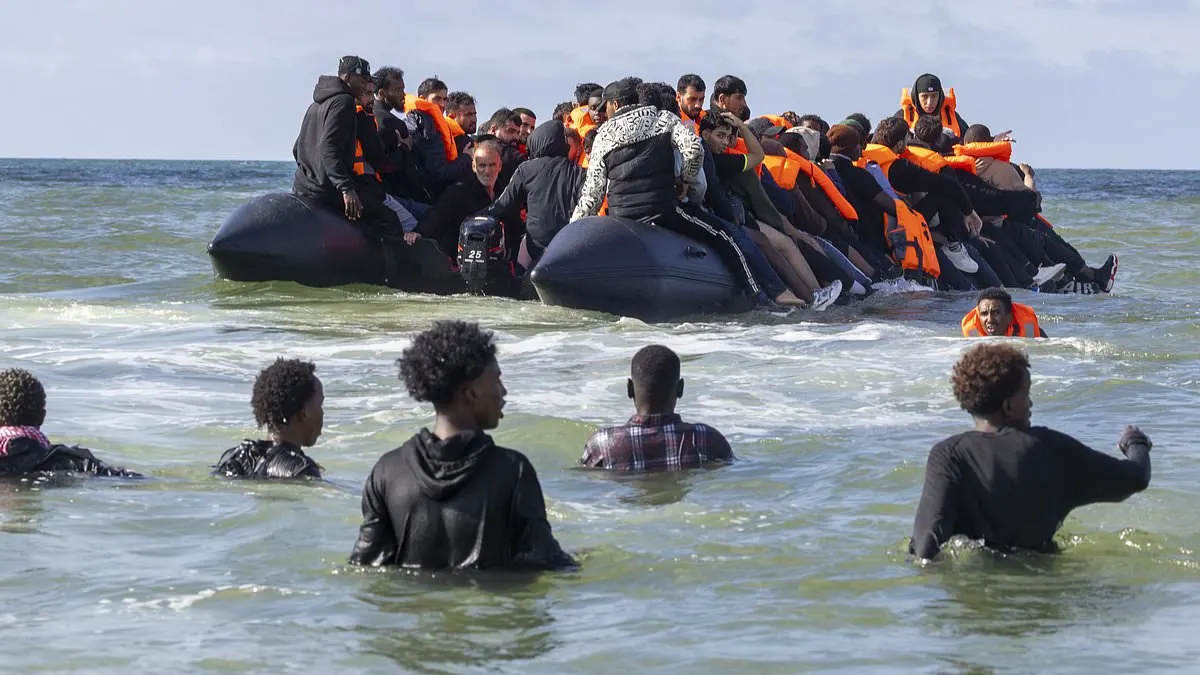
The UK is restricting Eritrean diplomats’ and VIPs’ access to fast-track visas, and limiting diplomats’ travel outside London, to pressure Eritrea to accept the return of its nationals. Home Secretary Shabana Mahmood warned that a full visa ban could follow if the country does not co-operate with deportations.
Nearly 5,900 Eritreans arrived in the UK by small boat in the year to June, while the Home Office says it is seeking to deport 230 Eritrean criminals and that Eritrea withdrew co-operation on returns earlier this year. Arrivals rose from 2,000 in 2022 to 7,600 in 2025; the article says similar restrictions have previously prompted Angola, Namibia and the Democratic Republic of Congo to agree to returns arrangements.
- Eritrean diplomats lose fast-track UK visas.
- A full visa ban could follow if returns are refused.
- Nearly 5,900 Eritreans crossed by small boat in the year to June.
New here? Start with this
Eritrea is a country in the Horn of Africa, and the UK has a small number of Eritrean nationals it wants to return after they have no right to stay. Such returns depend in part on a country accepting people back and co-operating with travel documents and arrangements.
The UK’s Home Office handles immigration and deportations, while the Home Secretary, Shabana Mahmood, sets government policy in this area. Eritrean diplomats represent their government in the UK, and the measures described affect some of their privileges and movement.
The issue matters because the UK says it is seeking to remove people convicted of crimes, while Eritrea’s co-operation on returns has stopped. The two governments’ ability to reach an arrangement affects how returns are carried out and the wider relationship between them.
Both sides, in good faith
The strongest fair case each way — we don't pick a winner.
The case for
The government can argue that countries should co-operate in accepting their nationals whose asylum claims have failed or who have committed crimes, and that targeted visa and travel restrictions create leverage without immediately imposing a full ban. With small-boat arrivals rising and removals difficult to carry out, it may also present co-operation on returns as necessary to maintain confidence in the immigration system.
The case against
Critics can argue that restricting diplomats’ travel and access to visas risks punishing people who are not responsible for Eritrea’s policy, while pressure on returns may expose individuals to danger if their circumstances are not carefully assessed. They may also question whether coercive measures will secure durable co-operation, and warn that a full visa ban could harm legitimate travel and diplomatic engagement.
Read the full article at the source →
Originally published by Daily Mail as “Small boat hotspot nation Eritrea faces UK visa restrictions for failing to accept deportations”.