Smart glasses are only smart if we train them to be good. Then they’ll be fantastic
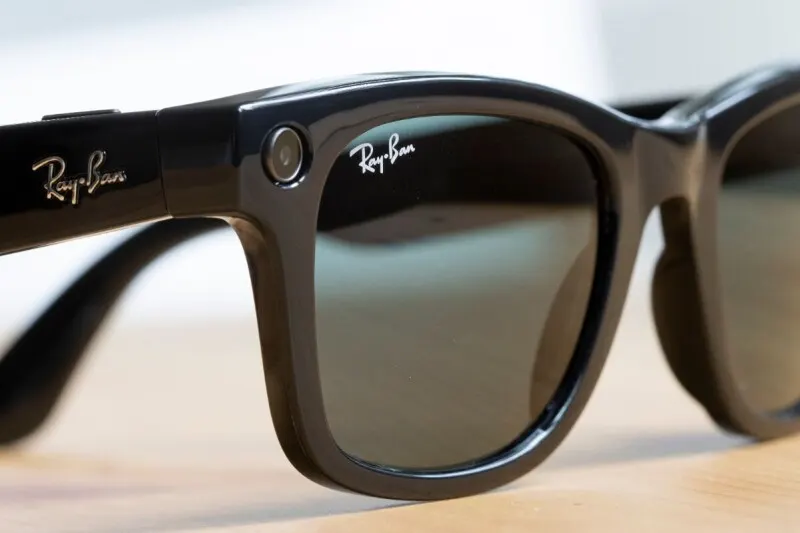
In this opinion column, Register writer Rupert Goodwins argues against blanket bans on smart glasses, contending that while devices like Meta's camera-equipped eyewear raise genuine fears over covert recording, privacy and dignity, banning the technology outright ignores its considerable benefits. He likens the debate to attitudes towards radio or dogs, arguing that a technology's usefulness spans a spectrum and society already has tools to encourage good behaviour, such as favouring visible cameras over hidden ones, without prohibiting the underlying tech entirely.
He notes that such bans are already in place in various settings, from Seattle cafes to the DEF CON security conference, driven by concerns over always-on audio and video sensors disguised as everyday objects. Goodwins highlights accessibility as a key counterargument, suggesting AI-powered smart glasses could be transformative for people with visual impairments by helping them navigate environments, such as conference venues, that aren't otherwise built for them. He concludes that, as with radio or dogs, society can accommodate the beneficial uses of smart glasses while controlling the harmful ones, rather than dismissing the technology wholesale.
- Columnist argues smart glasses shouldn't be banned outright despite privacy fears
- Compares the tech to dogs and radio: useful and harmful uses coexist
- Highlights potential accessibility benefits for visually impaired users