Culture news and discussion on TalkFuse.
Smart glasses are only smart if we train them to be good. Then they’ll be fantastic
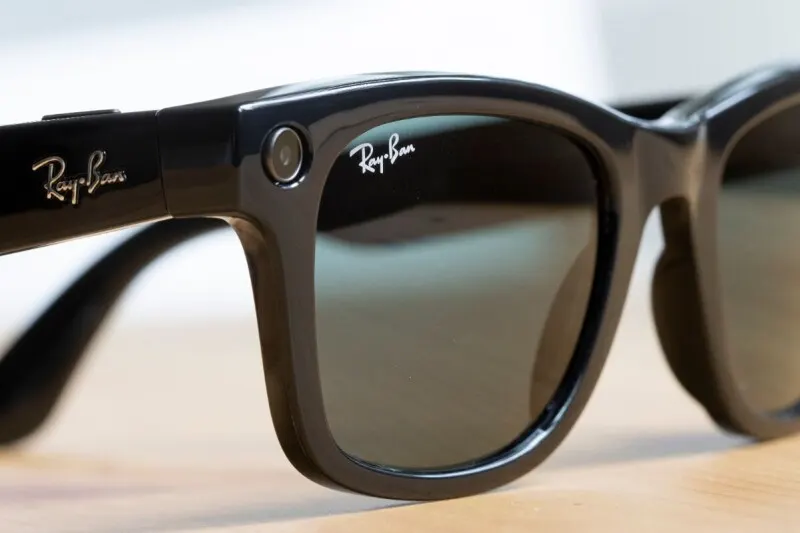
In this opinion column, Register writer Rupert Goodwins argues against blanket bans on smart glasses, contending that while devices like Meta's camera-equipped eyewear raise genuine fears over covert recording, privacy and dignity, banning the technology outright ignores its considerable benefits. He likens the debate to attitudes towards radio or dogs, arguing that a technology's usefulness spans a spectrum and society already has tools to encourage good behaviour, such as favouring visible cameras over hidden ones, without prohibiting the underlying tech entirely.
He notes that such bans are already in place in various settings, from Seattle cafes to the DEF CON security conference, driven by concerns over always-on audio and video sensors disguised as everyday objects. Goodwins highlights accessibility as a key counterargument, suggesting AI-powered smart glasses could be transformative for people with visual impairments by helping them navigate environments, such as conference venues, that aren't otherwise built for them. He concludes that, as with radio or dogs, society can accommodate the beneficial uses of smart glasses while controlling the harmful ones, rather than dismissing the technology wholesale.
In short
- Columnist argues smart glasses shouldn't be banned outright despite privacy fears
- Compares the tech to dogs and radio: useful and harmful uses coexist
- Highlights potential accessibility benefits for visually impaired users
Steelman: both sides, in good faith
The strongest fair case each way — we don't pick a winner.
The case for
Smart glasses offer transformative potential, particularly for accessibility—helping people with visual impairments navigate environments in ways otherwise impossible. Society need not ban a technology wholesale to manage its risks; we already regulate audio and video recording through existing laws and social norms. The benefits of allowing responsible use with proper safeguards outweigh the costs of prohibition, much as we do with other powerful technologies.
The case against
Smart glasses introduce an unprecedented threat to privacy and dignity by disguising constant audio and video recording as ordinary eyewear, designed explicitly for concealment. Unlike previous surveillance tools, they present enforcement challenges once normalised in public spaces. The accessibility benefits, whilst genuine, cannot outweigh the fundamental danger of creating infrastructure for mass covert surveillance that becomes nearly impossible to police once widely adopted.
Explained simply
Smart glasses look much like ordinary eyewear but can include cameras, microphones and computer features. Some models can record or use artificial intelligence to describe what the wearer sees.
The devices have prompted privacy concerns because people nearby may not know when they are being recorded. Some venues, including cafes and security conferences, have barred them over fears about hidden or continuous recording.
They may also help people with visual impairments understand their surroundings and find their way around. The debate is about how to manage risks while allowing useful applications of the technology.