Smart TVs could take longer to switch on as UK seeks to follow EU rule
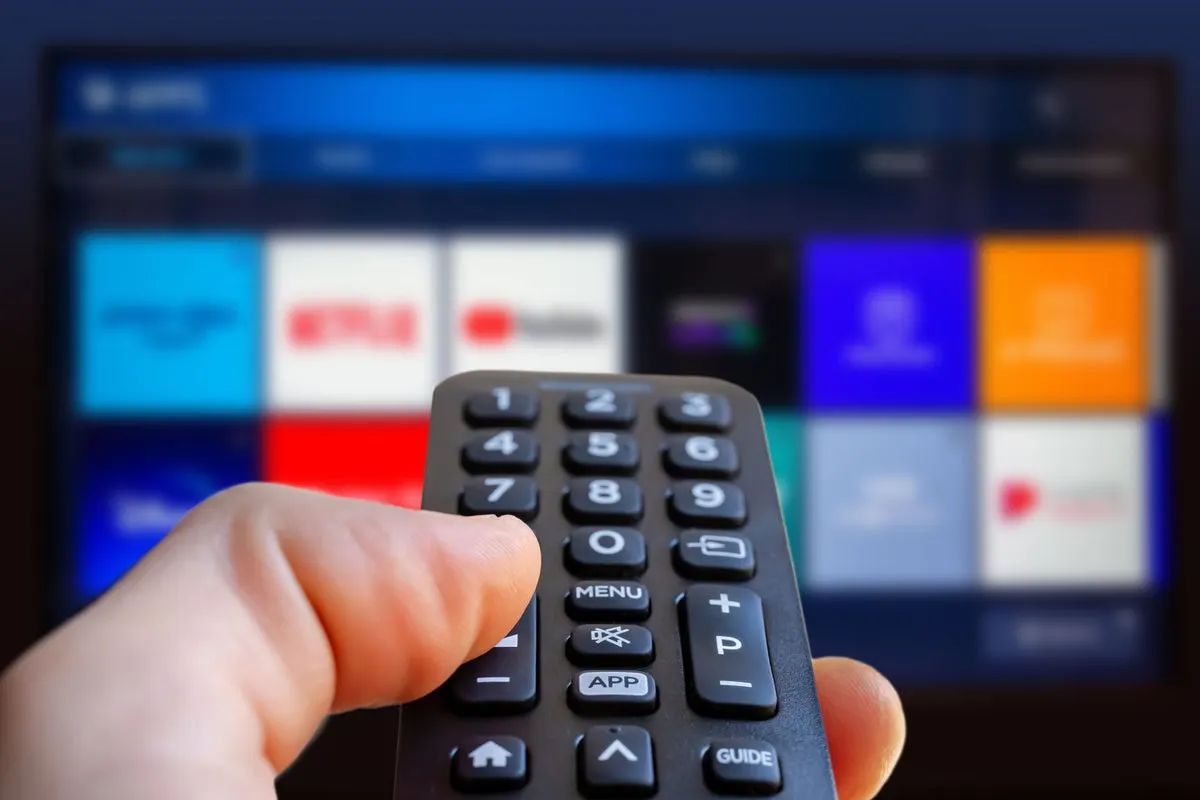
The government is consulting on rules to limit how much electricity smart household devices use when switched off or in standby. The changes could reduce wasted energy and household bills, though some devices, including smart TVs, may take longer to switch on.
The proposals would update UK standards to reflect newer technology and align them with recent European Union rules. They cover products such as televisions, robot vacuum cleaners, air fryers and voice-activated lighting; the government says alignment would also let manufacturers serve UK and EU markets under consistent rules. The shadow energy secretary criticised the plans as a risk to convenience.
In short
- UK consultation proposes tighter standby power limits for smart devices.
- The changes could save electricity but slow some devices’ start-up.
- The rules are intended to align with recent EU standards.
Steelman: both sides, in good faith
The strongest fair case each way — we don't pick a winner.
The case for
Supporters argue that limiting standby power would cut electricity waste and household bills, while reducing emissions across millions of devices. Updating standards for newer technology and aligning them with EU rules could also give manufacturers one consistent set of requirements for both markets.
The case against
Critics argue that stricter standby limits could make everyday devices less convenient, for example by slowing how quickly a smart TV switches on. They may also question whether the energy savings justify changing familiar behaviour and product performance, especially when the costs and benefits for households are uncertain.
Art Culture Europe Government Politics UK World