Smartphone makers don’t bother to comply with EU repairability requirements
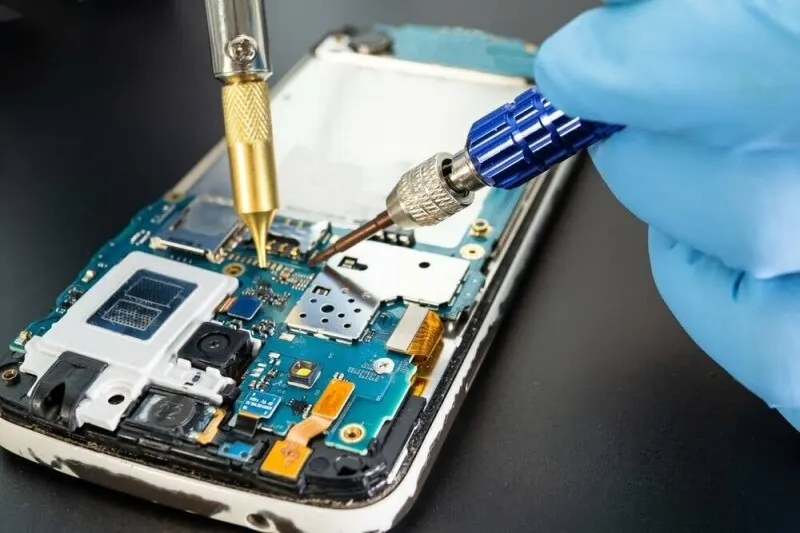
More than a year after the EU's repairability rules for smartphones and tablets took effect, over 80% of new devices still fail to provide the mandatory repair information, according to campaign group Right to Repair Europe. Manufacturers are required to publish a self-assessed repairability score along with links to spare parts pricing and repair instructions, but the group's review found widespread non-compliance, with some non-compliant brands nonetheless awarding themselves top repairability grades. This matters because it undermines a flagship EU consumer protection measure and raises doubts about whether self-reported compliance schemes can be trusted without proper enforcement.
Of 2,334 smartphone model records checked in the EU's Product Registry for Energy Labelling, only about 18% listed a working link to repair information, while roughly half left the required URL field blank and 19% pointed to irrelevant pages; some even directed customers to Temu or AliExpress. Spare parts prices were often listed with absurdly wide ranges, such as €14 to €128 for a replacement battery, and even compliant links from major brands like Apple and Samsung could be hard to navigate. Right to Repair Europe is calling for better enforcement and greater transparency around how repairability scores are calculated, while the EU is set to introduce further rules from February requiring user-replaceable batteries in most new mobile devices.
In short
- Over 80% of new EU smartphones lack required repair information
- Some non-compliant makers still self-award top repairability scores
- New EU rules mandating replaceable batteries arrive in February
Steelman: both sides, in good faith
The strongest fair case each way — we don't pick a winner.
The case for
Repairability rules can help consumers compare devices, extend product lifespans and reduce electronic waste, but those aims depend on people being able to find reliable repair information. Widespread missing or unusable links and unclear scoring weaken the measure, so advocates argue that stronger enforcement and transparent assessments are needed to make the promised consumer protection real.
The case against
A manufacturer could argue that the reported review identifies failures in information provision, but does not by itself establish that every affected device is difficult or impossible to repair. Repair scores and spare-parts details may be difficult to standardise across models, and firms may see a case for time to improve their systems or for proportionate enforcement that distinguishes technical or administrative errors from deliberate non-compliance.
Explained simply
EU repair rules are intended to help people keep smartphones and tablets working for longer. Manufacturers must publish a repairability score and provide information such as repair instructions and spare-parts prices, so buyers can judge how practical a device may be to fix.
The rules apply to devices sold in the EU, and manufacturers assess and publish their own scores. Right to Repair Europe is a campaign group that monitors repair policies and has reviewed manufacturers’ entries in the EU’s Product Registry for Energy Labelling.
Whether the information is available and useful affects consumers choosing devices and people seeking repairs. It also matters for the EU’s efforts to make products last longer, and for how the public can check that manufacturers are following the rules.
Art Culture Europe Gadgets Technology World