Smartphone shipments fall as memory costs squeeze budget manufacturers
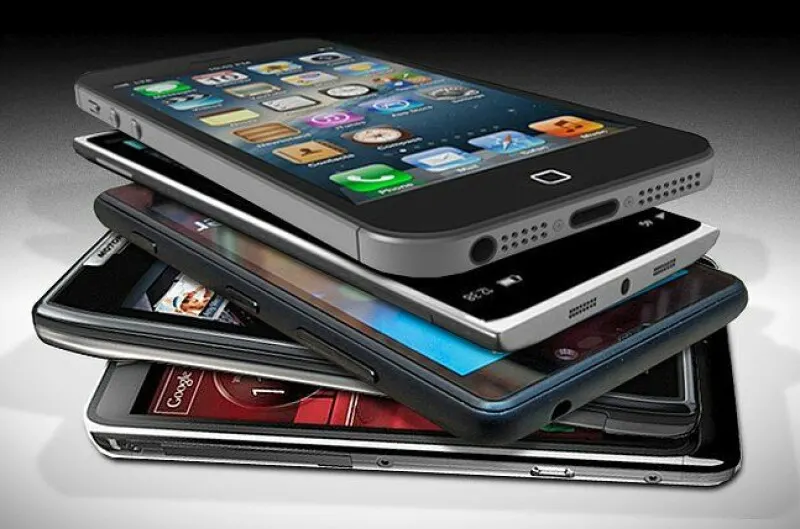
Global smartphone shipments fell sharply in the third quarter as soaring memory costs squeezed manufacturers, especially those selling budget devices. The downturn matters because higher component costs are pushing up prices and narrowing choice at the cheaper end of the market.
IDC and Omdia estimate shipments at about 255 million, down 22 per cent and 20 per cent respectively year on year; IDC says memory costs have risen roughly 350 per cent since last year. Omdia expects shipments to drop 12 per cent across 2026 and a further 6 per cent next year, with no relief from the memory shortage expected before 2028. Samsung and Apple now account for about 45 per cent of shipments, around eight percentage points more than a year ago.
- Smartphone shipments fell around a fifth in the third quarter.
- Memory costs have risen about 350 per cent in a year.
- Analysts expect the squeeze to persist until at least 2028.
New here? Start with this
Smartphones rely on memory chips to store data and run apps. These chips are used in many other products too, so shortages and higher prices can increase the cost of making a phone.
Budget phone makers have less room to absorb rising costs, which can mean higher prices or fewer low-cost models. Samsung and Apple sell a large share of the world’s phones, while research firms such as IDC and Omdia track how many devices manufacturers ship to retailers.
Both sides, in good faith
The strongest fair case each way — we don't pick a winner.
The case for
Higher memory costs and falling shipments put particular pressure on manufacturers of affordable phones, making price rises or reduced choice at the lower end difficult to avoid. From this perspective, consumers and smaller manufacturers bear the cost of a supply squeeze they cannot readily control, while the growing share of Samsung and Apple could leave budget buyers with fewer alternatives.
The case against
The figures describe a difficult market adjustment, but they do not by themselves show that consumers are losing access to suitable phones or that greater concentration will cause lasting harm. Manufacturers may need to pass on higher component costs or focus on models they can produce sustainably; larger firms’ increased share could reflect their ability to absorb the squeeze and maintain supply.
Art Culture Gadgets Technology
Read the full article at the source →
Originally published by The Register as “Smartphone shipments plummet as memory crisis pumps up prices”.