Culture news and discussion on TalkFuse.
SNAP recipients push back on junk-food ban with lawsuit claiming health benefits for diabetes, autism
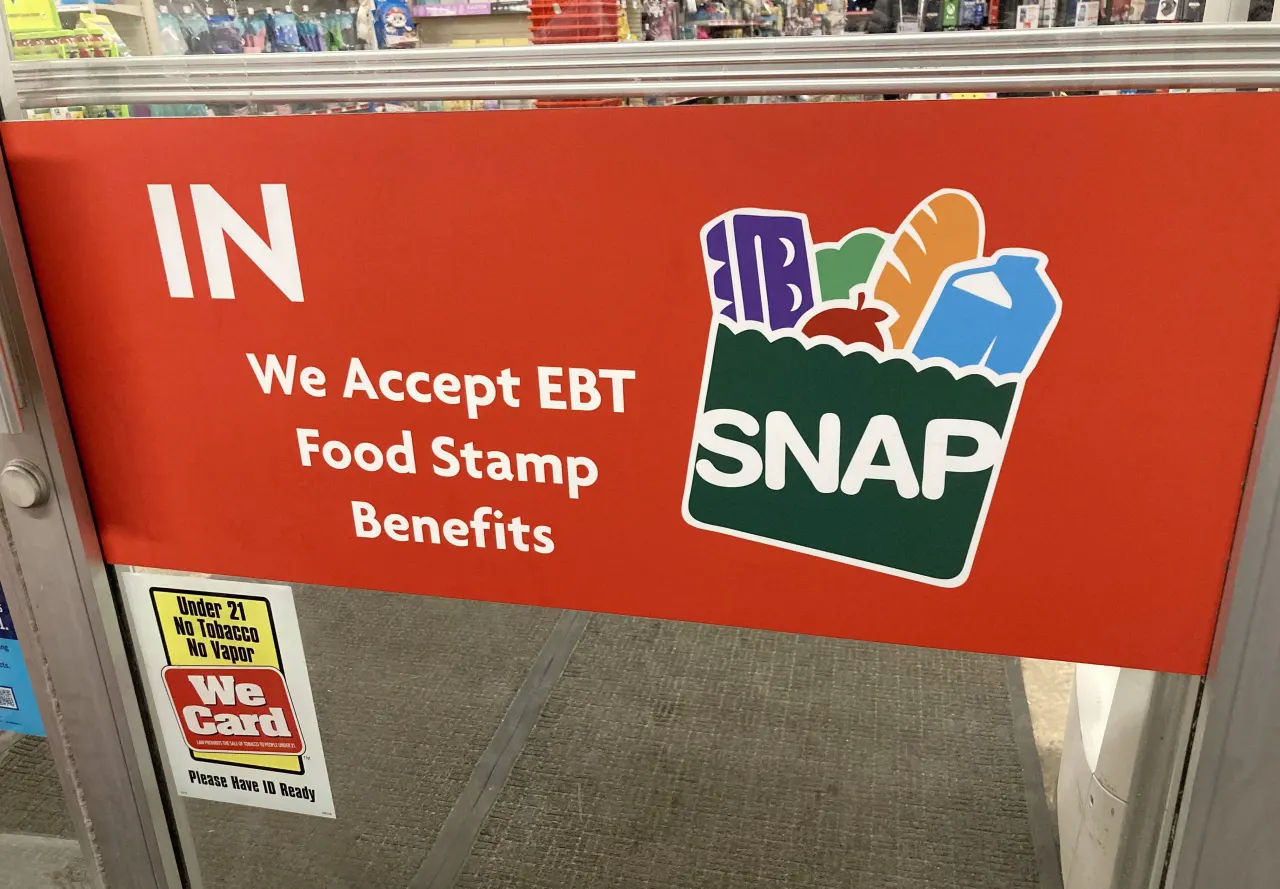
Seventeen SNAP recipients and a convenience store association have sued the US Department of Agriculture over state restrictions on buying items such as sweets and soft drinks with food benefits. The proposed class action seeks to have the restrictions removed immediately, arguing that they restrict access to SNAP unlawfully and can prevent people from managing health conditions.
The USDA encouraged states to seek waivers, and restrictions now apply in 18 states, with rules varying by state. Plaintiffs say some restricted items help them address diabetes, nausea, autism-related difficulties, PTSD or hydration; one recipient cited rationing diet soda and Gatorade. SNAP households receive an average of $344 a month, and the lawsuit seeks no damages. Earlier legal challenges have also targeted the restrictions.
In short
- SNAP recipients are challenging purchase restrictions in 18 states.
- Plaintiffs say some restricted items help manage medical conditions.
- The lawsuit seeks to end the restrictions, not obtain damages.
Steelman: both sides, in good faith
The strongest fair case each way — we don't pick a winner.
The case for
Supporters of the restrictions can argue that SNAP is a publicly funded nutrition programme and that limiting purchases of sugary drinks and sweets may help direct its funds towards healthier food and reduce diet-related illness. State waivers allow rules to be tailored locally, while exceptions or alternative ways to manage medical needs could address individual cases.
The case against
Recipients and retailers can argue that broad restrictions intrude on people’s choices and may make it harder for some people to manage health conditions or meet needs related to nausea, autism, PTSD or hydration. Because SNAP households have limited budgets and rules vary by state, they contend that the restrictions can burden vulnerable people without clear evidence that they improve health enough to justify that cost.
Explained simply
SNAP is the US government’s food assistance programme for people on low incomes. It provides money each month on a payment card, which can be used for eligible food and drink; households receive an average of $344 a month.
The US Department of Agriculture oversees SNAP and can approve state requests to limit what recipients may buy. Rules differ between states, and some restrict items such as sweets and soft drinks. The limits have prompted legal challenges from people who receive benefits and groups representing retailers.
The case raises questions about how far states can set conditions on federal food assistance and how those rules affect recipients with health needs. The claimants say some restricted products help them manage conditions or symptoms, including diabetes, nausea and difficulties linked to autism or PTSD.