World news and discussion on TalkFuse.
Sniffles? Sore throat? Here’s exactly what you should do at the first signs you’re getting sick
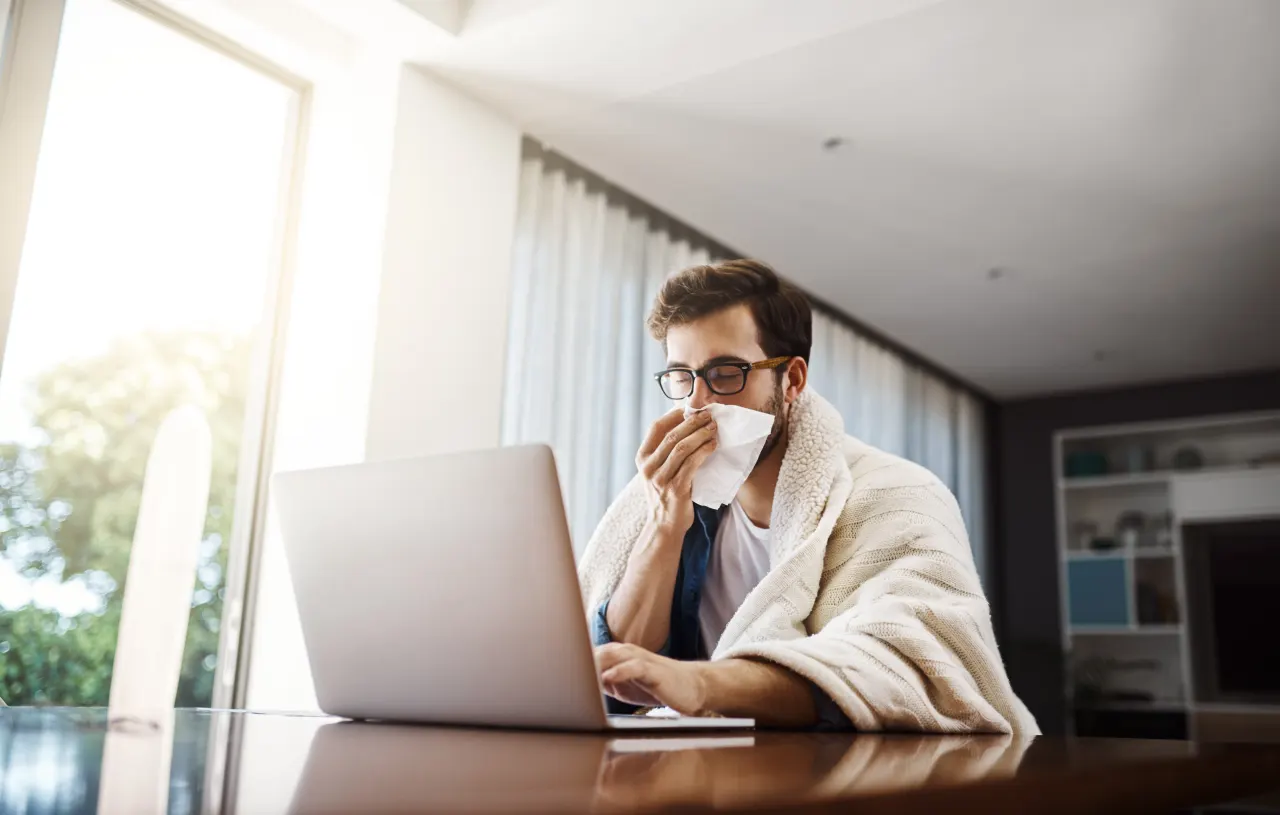
Flu activity is rising in some US states, COVID-19 rates are increasing across much of the country, and common cold viruses are elevated. A doctor says the first one to two days of symptoms can be important: testing and acting early may help people access treatment and avoid passing infections to others.
The doctor recommends working from home if possible, resting and drinking plenty of fluids. People who test positive for flu or COVID-19 should contact their doctor promptly, as antivirals work best when started within 48 hours and may shorten symptoms by one to one-and-a-half days. Light exercise may be suitable for mild symptoms, while strenuous workouts are discouraged with fever or more severe symptoms; vitamin C cannot prevent or cure a cold, and long-term zinc use may suppress immune function.
In short
- Flu, COVID-19 and cold viruses are circulating widely in the US.
- Early testing can help people access antivirals within 48 hours.
- Rest and fluids may help; long-term zinc use can be harmful.
Explained simply
Flu, COVID-19 and the common cold are respiratory infections that can cause symptoms such as a runny nose, sore throat, cough and fever. They are caused by different viruses, so similar early symptoms do not show which infection someone has.
Flu and COVID-19 can sometimes lead to serious illness, particularly for older people and those with certain health conditions. Tests can help identify them, and doctors can advise whether prescription antiviral medicines are suitable; these medicines work against specific viruses and are most useful when started early. Because these infections can spread between people, staying home when unwell can also help reduce transmission.