Business news and discussion on TalkFuse.
Snowball fight: Cadbury owner in trademark row over festive chocolate treat
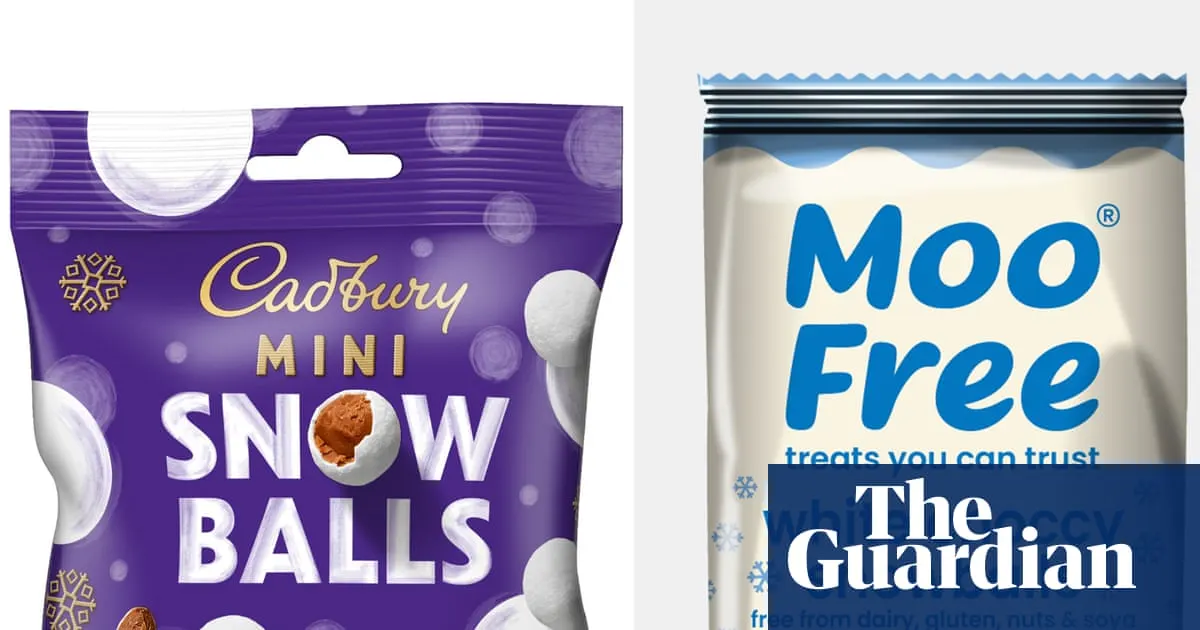
Mondelēz, which owns Cadbury, has challenged vegan chocolate maker Moo Free over its use of “Snowballs” for dairy-free white chocolate treats. The dispute matters because Moo Free says Mondelēz wants the products removed just before Christmas, while the company says it is seeking to protect a popular seasonal brand and remains open to an amicable resolution.
Cadbury Snowballs launched in 1966, and Mondelēz registered “Snowball” and “Snowballs” as trademarks for chocolate confectionery in 2001. Moo Free says it has sold its product for about two years and denies that infringement has been established; no legal action has been taken. The row follows Mondelēz’s separate action against vegan maker Catherine’s Originals over a bar it says copies Toblerone’s shape, and recalls a 2014 VAT case involving Scottish coconut-covered snowballs.
In short
- Mondelēz has challenged Moo Free over its White Choccy Snowballs.
- The dispute comes just before the busy Christmas trading period.
- It follows a separate trademark row over a Toblerone-like bar.
Steelman: both sides, in good faith
The strongest fair case each way — we don't pick a winner.
The case for
Mondelēz can argue that long-standing use and registered trademarks help consumers identify Cadbury Snowballs and protect the value built around a popular seasonal product. Challenging a similar name may be a reasonable way to prevent confusion and uphold trademark rights, while leaving room to settle the matter amicably.
The case against
Moo Free can argue that “snowballs” is an ordinary description of a rounded, snow-like confection, rather than a name consumers would necessarily associate only with Cadbury. Its dairy-free product serves a distinct market, and seeking its removal just before Christmas could disproportionately affect a smaller maker when infringement has not been established in court.
Explained simply
Cadbury is a chocolate brand owned by Mondelēz, while Moo Free makes dairy-free chocolate. Cadbury Snowballs, a white chocolate treat, first went on sale in 1966; Mondelēz registered the names “Snowball” and “Snowballs” as trademarks for chocolate confectionery in 2001.
A trademark gives its owner rights over a name or sign in specified areas, but a dispute does not by itself establish that those rights have been infringed. Moo Free says it has sold its similarly named treats for about two years and disputes that infringement has been established; no legal action has been taken.
The disagreement sits within wider questions about how established brands protect product names and designs when other makers sell similar treats. A separate dispute involving Mondelēz and vegan maker Catherine’s Originals, and an earlier UK tax case over coconut-covered snowballs, show that these questions can involve both brand identity and how products are classified.