Business news and discussion on TalkFuse.
Snowy Hydro 2.0 executives awarded bonuses totalling $751,925 despite cost blowout
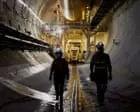
Snowy Hydro executives received $751,925 in bonuses during the 2025-26 financial year, even as the Snowy 2.0 project’s cost rose far beyond its original estimate. Chief executive Dennis Barnes declined a cash bonus, while the payments have drawn attention because the project is expected to cost taxpayers up to $25bn.
The company’s chief financial officer received $215,440, its chief operating officer $255,570 and its chief commercial officer $280,915. Snowy 2.0, proposed in 2017 at $2bn, is now expected to be completed and fully commissioned in 2029. Separately, CSIRO chief executive Doug Hilton received a $198,517 performance payment as the agency cut more than 1,100 jobs over two years.
In short
- Snowy Hydro executives received $751,925 in bonuses.
- Dennis Barnes chose not to take a bonus.
- Snowy 2.0 could cost taxpayers up to $25bn.
Steelman: both sides, in good faith
The strongest fair case each way — we don't pick a winner.
The case for
Performance bonuses can be justified if they were set under agreed rules and rewarded executives for specific targets, such as safety, delivery milestones or operational performance. A long, complex infrastructure project may face cost pressures beyond any one executive’s control, and retaining experienced leaders can serve the public interest if their work is assessed fairly.
The case against
Large bonuses are difficult to justify when a taxpayer-funded project has grown dramatically more expensive and remains years from full commissioning. Even if payments followed existing rules, the scale may suggest that executive rewards are insufficiently tied to cost control and delivery, and may undermine public confidence in how public money is managed.
Explained simply
Snowy 2.0 is a pumped hydro project in the Snowy Mountains of south-eastern Australia. It is designed to store electricity by pumping water uphill when power is plentiful, then releasing it through turbines to generate electricity when demand is higher.
The project is being built by Snowy Hydro, a government-owned electricity company. Its original 2017 cost estimate was $2bn, but the expected cost has since risen substantially; the project is now due to be fully operating in 2029.
The rising cost matters because Snowy Hydro is publicly owned and the project is expected to require up to $25bn, bringing its use of public money into focus. Performance payments at the company are also being discussed alongside the project’s delays and cost increases.
Business Climate Companies Science Software Technology World