New releases, music videos and album news — indie, rap, rock and pop. Always covering Ren, Chris Webby, Sam Tompkins, bbno$, CHINCHILLA, Muse, Yungblud and more.
Snubs, scandals and no-shows: When did the Rock and Roll Hall of Fame lose its legitimacy?
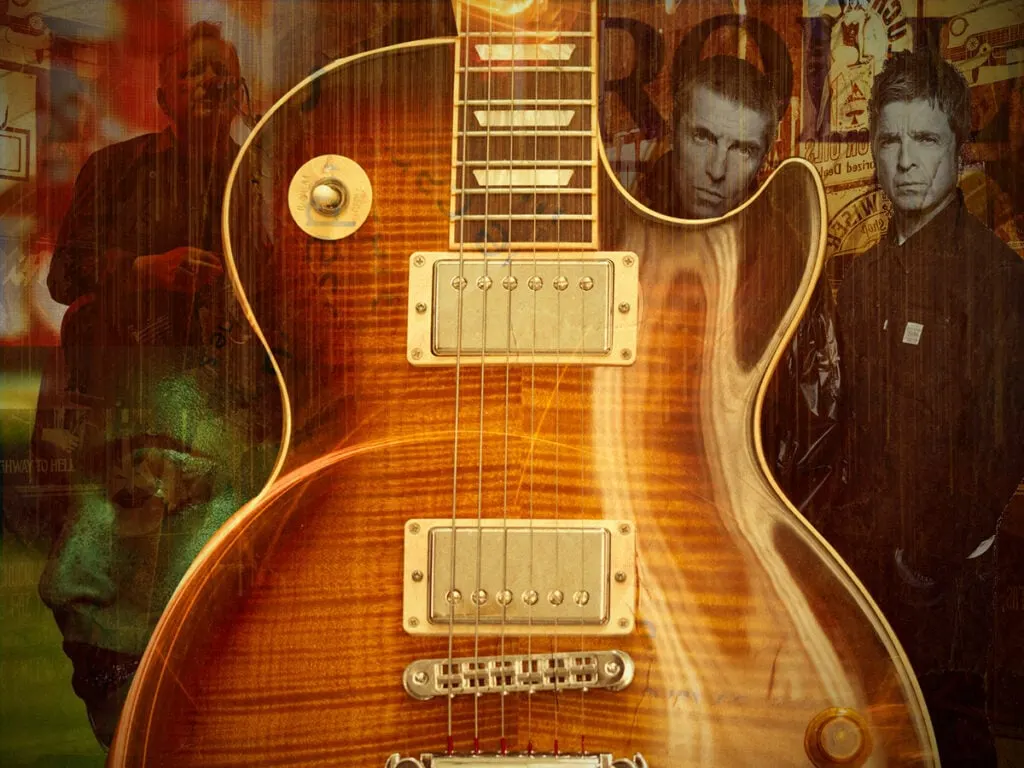
The article argues that the Rock and Roll Hall of Fame’s problems with its induction ceremony cannot be blamed on Cleveland’s location alone. This year’s Los Angeles ceremony has also struggled to attract inductees, raising questions about the Hall’s standing and whether its honours still carry enough weight to bring artists to the stage.
Iron Maiden are continuing their Australian tour, while Sade and members of Joy Division and New Order are expected to have limited representation. Oasis will also be absent: Noel Gallagher has a conflicting London booking, and Liam Gallagher has pointed to the distance from the UK. The article says Billy Idol and the Wu-Tang Clan may be the only new inductees likely to perform; Phil Collins is expected to attend but cannot perform. It contrasts this with earlier ceremonies, when major artists regularly gathered for tributes and jam sessions.
In short
- The Hall’s Los Angeles ceremony is facing notable absences.
- Iron Maiden and Oasis will not attend as groups.
- The article questions whether the Hall still commands respect.
Steelman: both sides, in good faith
The strongest fair case each way — we don't pick a winner.
The case for
The repeated absences and limited performances may suggest that the Hall’s honours no longer carry the prestige needed to bring artists together, especially when a ceremony in Los Angeles has the same problem as one in Cleveland. A ceremony built around tributes and live performances can feel diminished when major inductees are missing, weakening the event’s cultural pull.
The case against
Absences do not by themselves show that the Hall has lost legitimacy: artists may have tour commitments, conflicting bookings, health constraints or practical reasons for not travelling. The honours can still recognise lasting influence even when recipients cannot attend, and expectations that every inductee perform may set an unrealistic standard for a ceremony involving artists with different circumstances.
Explained simply
The Rock and Roll Hall of Fame is an institution that recognises influential musicians, with new members honoured at an annual ceremony. Inductees may attend, perform or take part in tributes, but being named does not require them to appear.
The Hall’s choices and ceremonies have long drawn debate, including over which artists are recognised and how the event is staged. The ceremony’s appeal matters because artists’ participation helps turn an honour into a shared celebration, while their absence can prompt questions about the Hall’s influence and standing.