Business news and discussion on TalkFuse.
Soaring petrol prices amid Middle East conflict drive highest Philippine inflation in years
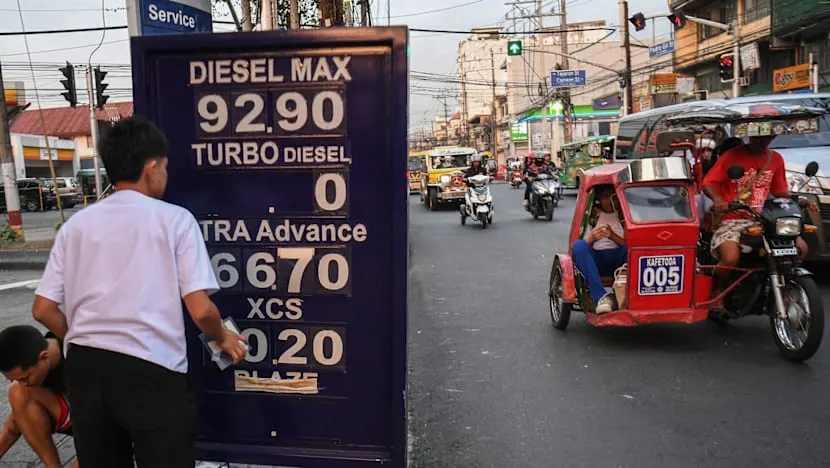
Inflation in the Philippines rose to 7.8 per cent in October, its highest level in 44 months, as soaring fuel prices linked to the Middle East conflict pushed up transport costs. The increase adds pressure on households and businesses, while the country’s weak peso makes imported oil more expensive.
Transport costs rose 20 per cent, the main driver of the monthly increase, and the annual rate so far is 5.6 per cent, above the government’s 2 to 4 per cent target. The figure exceeded analysts’ 7.6 per cent forecast; the central bank recently raised its key rate by 50 basis points to 5.50 per cent, while officials also cited risks from rising energy prices and El Niño’s effects on food supplies.
In short
- Philippine inflation reached 7.8 per cent in October.
- Transport costs rose 20 per cent, driven by fuel prices.
- Inflation is above the government’s target range.
Steelman: both sides, in good faith
The strongest fair case each way — we don't pick a winner.
The case for
The central bank’s rate rise can be defended as a necessary response to inflation already well above target: curbing demand and signalling resolve may help prevent fuel and transport costs from feeding into broader, persistent price increases. Protecting price stability matters especially to households with little room in their budgets, and early action may reduce the need for sharper measures later.
The case against
The rate rise can be criticised for imposing additional borrowing costs on households and businesses when the immediate shock comes from imported fuel prices and conflict abroad, which domestic interest rates cannot directly reduce. Higher rates may also slow investment and employment; supporters of a more cautious approach could argue for targeted relief and close monitoring while avoiding further pressure on an already strained economy.
Business Economy Middle East World