World news and discussion on TalkFuse.
Casey condemns fragmented social care as national reform could take a decade
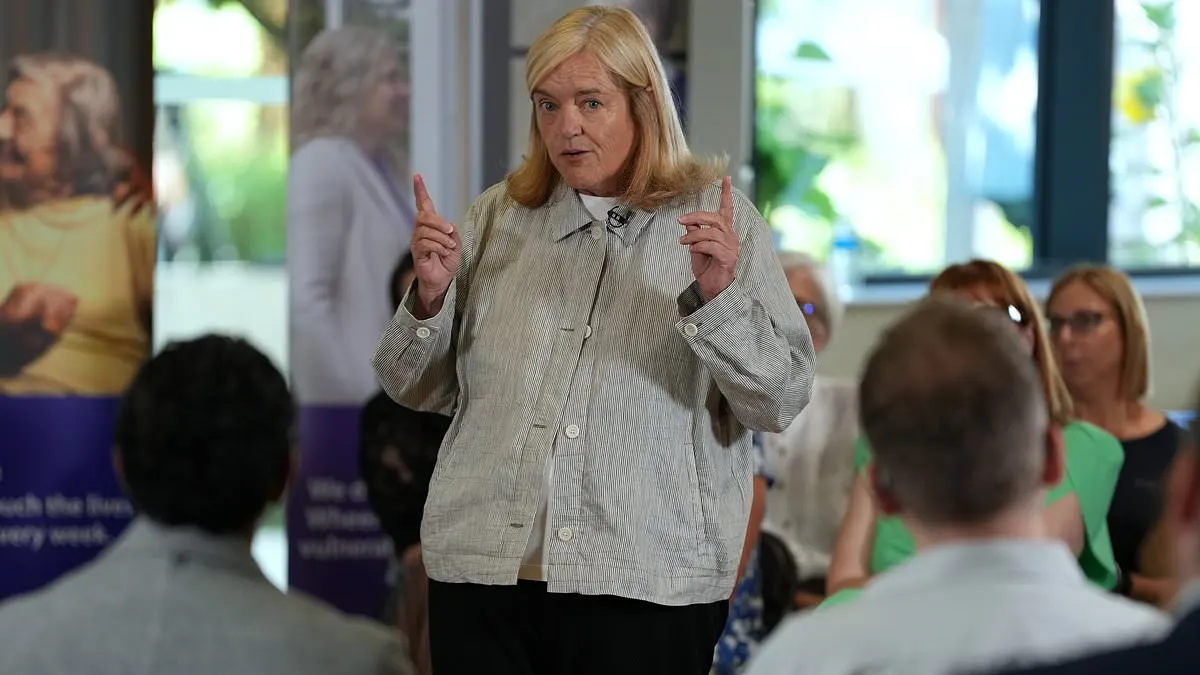
Baroness Louise Casey has condemned England’s social care system as “failed” and fragmented, saying successive governments have neglected their responsibility for its oversight. Her findings come as Labour considers reform, but a proposed new national care service may take years to emerge, with an NHS-style system potentially not in place until the mid-2030s.
Research for Casey’s review says responsibility is divided across government and providers, with no single body in charge. England has more than 1.5 million care workers across about 19,000 employers, but no mandatory register of them; people paying for their own care are charged an average of 40 per cent more than council-arranged clients for the same service. Social care is not free at the point of use, and people with savings above £23,250 cannot get council help towards care costs.
In short
- Casey says England’s social care system lacks clear oversight.
- Reform proposals are not expected until next year.
- An NHS-style service may take until the mid-2030s.
Steelman: both sides, in good faith
The strongest fair case each way — we don't pick a winner.
The case for
Casey’s case for reform is that a fragmented system leaves responsibility unclear, care workers without consistent oversight, and people facing unequal costs depending on how they arrange care. A national service could set clearer standards and improve coordination, fairness and accountability, even if building it takes years.
The case against
A cautious case is that a major national service could take a decade to establish and risks diverting attention from people who need support now. Local authorities and providers may be better placed to respond to different needs, while reform could add bureaucracy or public costs without guaranteeing better care.
Explained simply
Social care in England covers the practical help and support people may need because of age, illness or disability. It can include help at home or a place in a care home, and is usually arranged by councils or bought privately.
Councils, care providers and central government all have roles, while the NHS provides health care; social care is generally means-tested and may require people to pay. The system’s organisation and funding affect older and disabled people, their families, care workers and public services.
Baroness Louise Casey is leading a review of social care commissioned by the government. Labour is considering changes, including a possible national care service, but the structure and timing of any reform remain under discussion.
Read the full article at the source →
Originally published by Daily Mail as “Social care tsar condemns ‘failed’ system… but Burnham’s promised change might not come for a decade”.