Culture news and discussion on TalkFuse.
Socialist winning streak puts prized Democratic battleground at risk as radical leftists advance
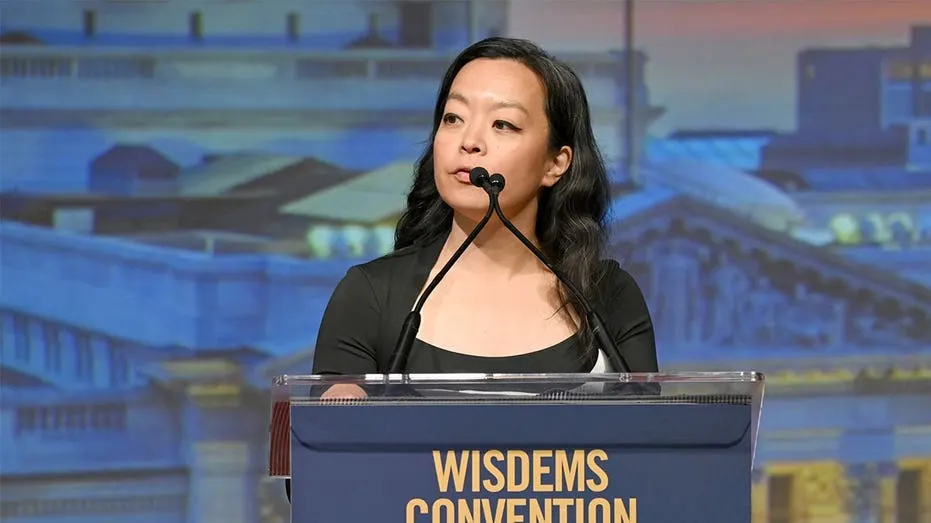
Wisconsin and Minnesota are set to hold pivotal Democratic primaries for governor and Senate seats, marking the second consecutive week in which the Midwest has become a key battleground in an ideological struggle between the Democratic Party's left wing and its centrist establishment. The contests follow a narrow primary win a week earlier in Michigan, where far-left candidate Abdul El-Sayed edged out more moderate Representative Haley Stevens in the state's Democratic Senate race, intensifying scrutiny of how far left-leaning candidates are gaining ground in traditionally competitive states.
In Wisconsin, Francesca Hong has emerged as the frontrunner in the Democratic gubernatorial primary, facing questions over past controversial statements as the state's vote approaches. The article, published by Fox News, frames these primary results as evidence of a broader "socialist winning streak" that could reshape key Democratic battlegrounds ahead of future elections, with Republican figures and commentators cited elsewhere in the piece characterising the trend as a risk to the party's electoral prospects in swing states.
In short
- Wisconsin and Minnesota Democrats hold key primaries this week
- Follows far-left Michigan Senate primary win by Abdul El-Sayed
- Francesca Hong leads Wisconsin's Democratic gubernatorial primary field
Steelman: both sides, in good faith
The strongest fair case each way — we don't pick a winner.
The case for
These primary victories reflect authentic enthusiasm amongst Democratic voters for candidates addressing healthcare, climate change and economic inequality with bold proposals. Rather than a liability, their success demonstrates that swing-state voters themselves are prepared to support progressive candidates, challenging assumptions that only centrist politics can win there. A more progressive Democratic party could energise the base and mobilise younger and working-class voters crucial to general election turnout.
The case against
General elections in swing states are typically decided by centrist and independent voters who remain uncomfortable with 'socialist' branding, regardless of policy substance. Historical evidence shows Democratic success in purple states has come with moderate candidates, and primary victories may not translate to general election wins amongst the broader electorate. The strategic risk is that strengthening the ideological base comes at the cost of losing the moderate and swing voters who ultimately decide elections.
Explained simply
Wisconsin and Minnesota are holding Democratic primaries, in which voters choose their party’s candidates for governor and Senate. The Midwest includes several closely contested states, so the candidates Democrats select may affect their chances in later general elections.
The contests have drawn attention to differences between the party’s progressive and more centrist wings. Francesca Hong is seeking the Democratic nomination for Wisconsin governor, while Michigan’s recent Senate primary was won narrowly by Abdul El-Sayed over the more moderate Haley Stevens.
The debate matters because the candidates’ policies and public appeal could influence how voters in competitive states view the Democratic Party. Republicans and some commentators argue that more left-wing candidates could make it harder for Democrats to win those states.
Art Culture Europe Geopolitics Politics World