World news and discussion on TalkFuse.
Socialists on blast for pledging to weed money out of politics but accepting business execs’ checks anyway
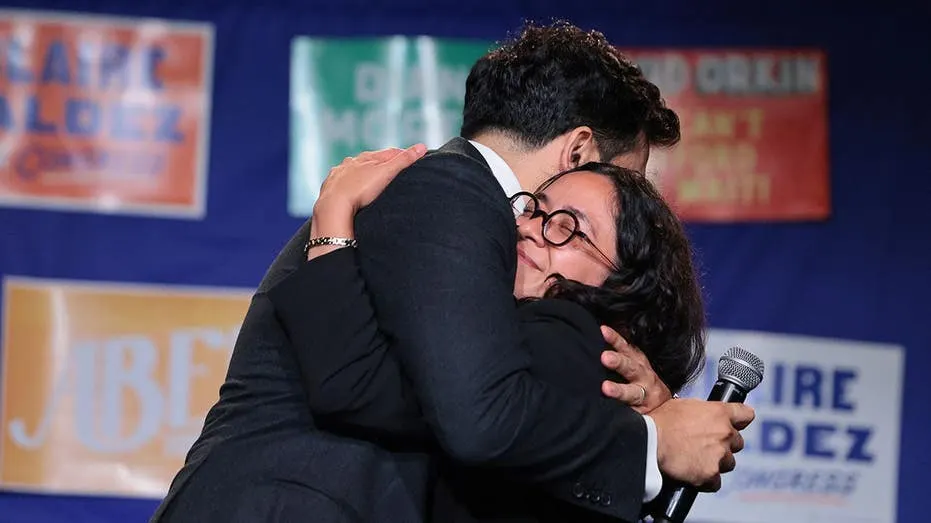
An investigation into campaign finance filings has accused several Democratic Socialists of America-aligned candidates of hypocrisy: they criticised corporate influence or pledged to reject corporate PAC donations while accepting contributions from executives and political action committees. The issue matters because these candidates have made reducing wealthy and corporate influence in elections part of their public message.
The review found that Rep. Rashida Tlaib received $10,600 from L3Harris executive Faisal Munir in 2023 and 2025, and that AI advertising executive Omar Tawakol contributed to Tlaib and three DSA-backed candidates. The article says 24 executives gave $675,300 to DSA-endorsed candidates and associated progressive PACs over two election cycles; campaign records do not show that donors sought or received favourable treatment in return. The candidates’ pledges did not specify whether they covered donations from individual executives.
In short
- DSA-aligned candidates faced claims of inconsistency over campaign funding.
- Executives gave $675,300 to candidates and associated progressive PACs.
- Filings do not establish a quid pro quo.
Steelman: both sides, in good faith
The strongest fair case each way — we don't pick a winner.
The case for
Accepting donations from corporate executives can sit uneasily with promises to reduce wealthy and corporate influence, even when the money comes from individuals rather than corporate PACs. Clearer limits may help candidates demonstrate consistency and reassure voters that access and influence are not concentrated among affluent donors.
The case against
A donation from an executive as an individual is not the same as a corporate PAC contribution, and the pledges described may not have covered such personal donations. Campaign records show no evidence that donors sought or received favourable treatment, so the contributions alone do not establish that the candidates changed their positions or served donors’ interests.