Two turf exchanges four decades apart reveal shifting fortunes for British nature
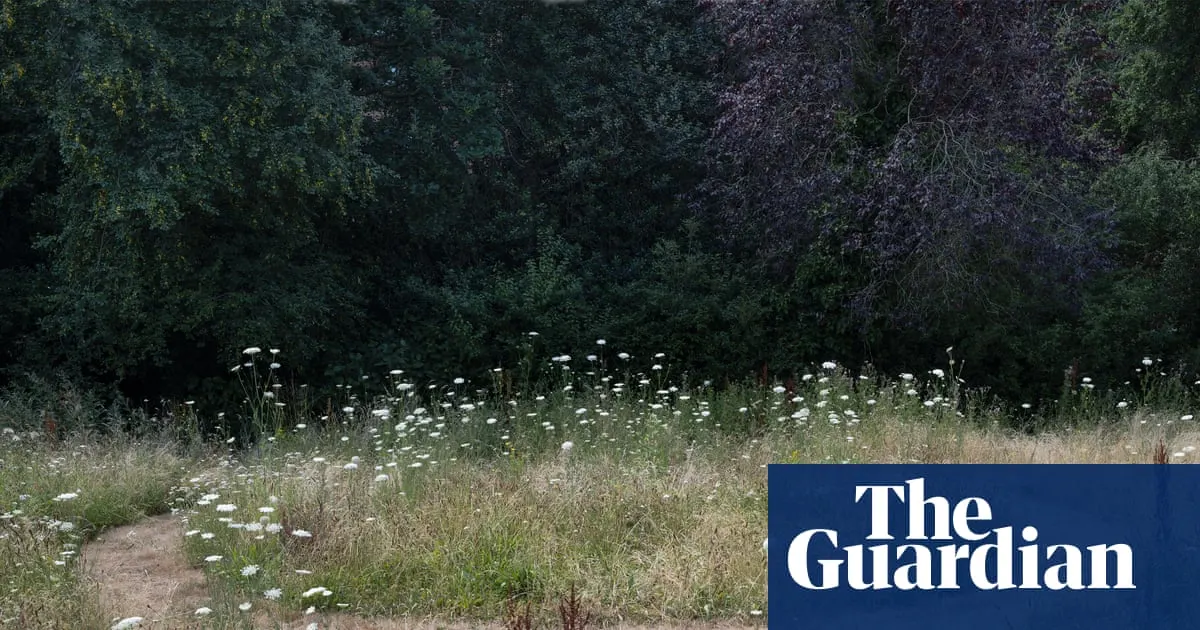
Two turf exchanges, staged 40 years apart, have become an unexpected record of changing fortunes for nature in Britain. David Nash’s 1983 artwork brought wild Welsh grassland to Kensington Gardens and sent London park turf to Wales; Mike Perry’s later reversal found a striking contrast between the condition of urban and rural land.
Nash originally intended the swap as a challenge to ideas about sculpture and a statement about his Welsh identity, rather than an environmental project. His turf left a faint trace in Wales decades later, while the Welsh grassland did not survive as long in London. In 2023, Perry exchanged the same amount of turf between Hackney’s Springfield Park and Pembrokeshire pasture, revisiting the work amid concern about biodiversity loss and climate change.
- Two turf swaps became a record of changing nature.
- Nash’s Welsh turf failed to last in London.
- Perry revisited the artwork amid biodiversity concerns.
New here? Start with this
For much of the past century, farming, building and changes to how land is managed have altered Britain’s grasslands. These changes can affect the variety of plants and animals that live there, a measure often called biodiversity.
David Nash, a Welsh artist, exchanged turf between Kensington Gardens in London and grassland in Wales in 1983 as an artwork about sculpture and his Welsh identity. Forty years later, artist Mike Perry made a new exchange between a London park and a Pembrokeshire pasture, creating a comparison across places and generations.
The works draw attention to how land can change over time and how its condition may differ between town and countryside. They also connect local landscapes to wider concerns about wildlife loss and climate change.
Americas Art Culture Environment Offbeat Science UK Weird & Viral World
Read the full article at the source →
Originally published by The Guardian as “Sod’s law: what can two turf swaps 40 years apart tell us about Britain’s biodiversity crisis?”.