Technology news and discussion on TalkFuse.
Solar panel breakthrough could almost double the efficiency of today’s panels
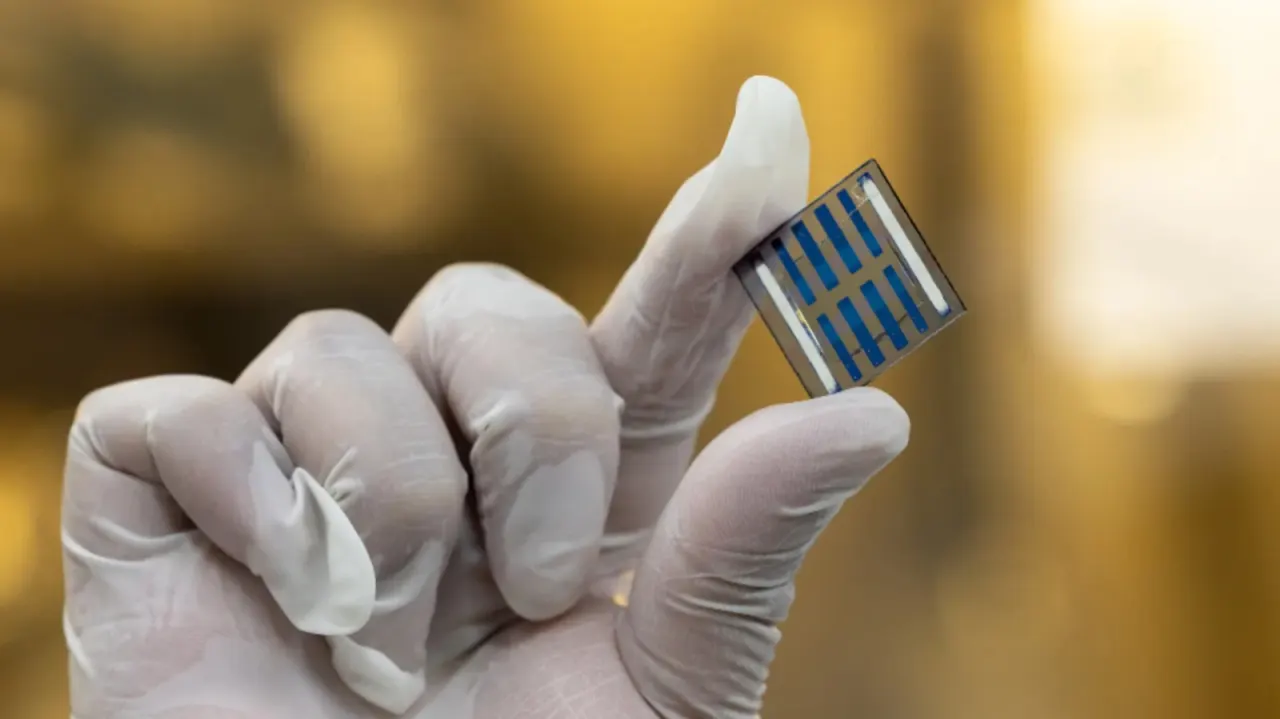
Researchers at the Institut de Ciències Fotòniques (ICFO) have demonstrated a way to reduce energy lost when solar cells emit light, addressing a limitation that differs from the heat losses studied in much previous research. Their approach suggests solar cells might eventually exceed the established theoretical efficiency limit, although it is an early laboratory result and does not mean more efficient panels are ready to buy.
The team modified an organic solar cell by replacing its indium tin oxide front electrode with thin silver and turning the cell into an optical cavity, which reduced light emission at wide angles. This raised the cell’s efficiency by about 0.85 percentage points; the researchers say narrowing the emission angle could, in principle, allow efficiencies near 43 per cent, compared with the 33.16 per cent Shockley-Queisser limit and 20 to 23 per cent typical for consumer panels. They say the principle could apply to different photovoltaic cells, but further development would be needed.
In short
- ICFO researchers reduced light losses in an experimental solar cell.
- The change improved efficiency by about 0.85 percentage points.
- The method could eventually enable efficiencies near 43 per cent.
Steelman: both sides, in good faith
The strongest fair case each way — we don't pick a winner.
The case for
The result suggests solar cells may be able to capture more usable energy by limiting light lost through emission, addressing a loss mechanism distinct from the heat losses targeted by much earlier work. If the principle can be developed beyond this early laboratory demonstration and applied to practical cells, it could raise efficiency ceilings and make better use of space and materials.
The case against
The measured improvement was modest, and the much larger figure is a theoretical possibility rather than demonstrated performance in a commercial panel. Turning the result into affordable, durable products would require substantial further development, so presenting it as a near-term breakthrough for consumers risks overstating what the research establishes.