Solar panels plan for thousands of council homes
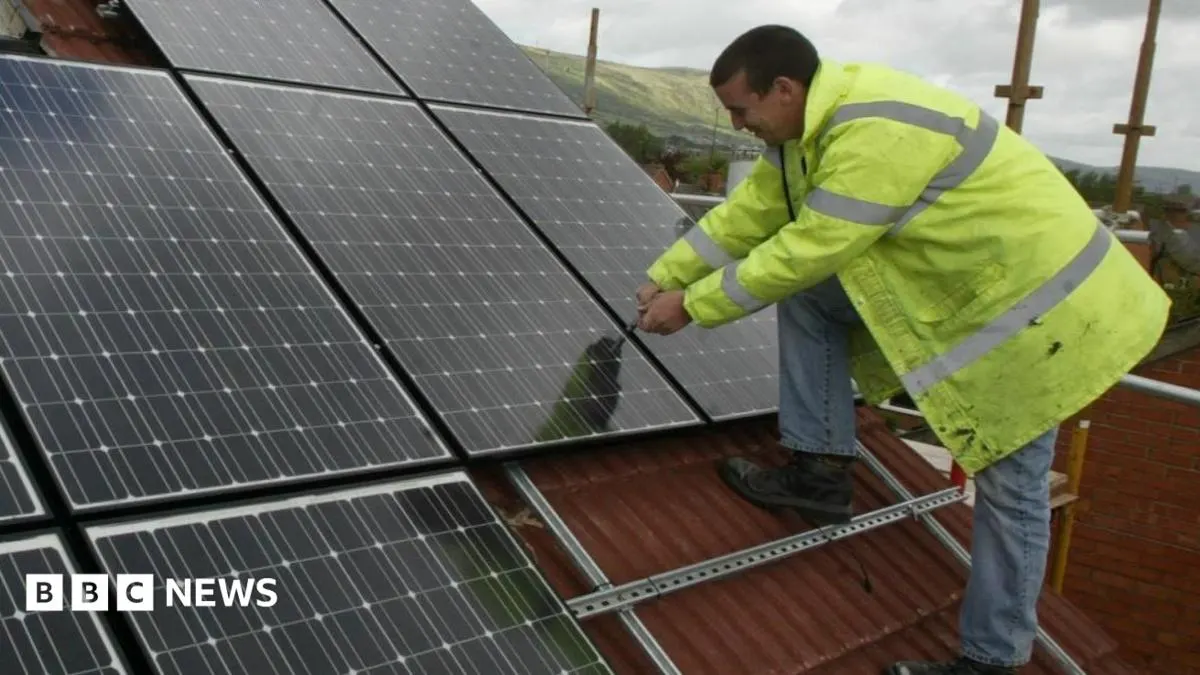
Sheffield City Council is due to consider a £29.6m programme to improve the energy efficiency of almost 10,000 council homes by 2030. The proposals aim to reduce tenants’ fuel bills, improve health and comfort, cut emissions and help the city meet a national energy-efficiency standard for social housing.
If approved, up to 5,250 homes could receive solar panels and batteries through third-party investment, while 4,000 would get improvements such as better insulation. The council estimates participating households could save about £250 a year, with total annual savings of £2.4m to £3.5m; it says these are strategic estimates based on national evidence and assumptions about Sheffield’s housing stock. The housing policy committee is scheduled to consider the plans on Thursday.
- Sheffield is considering £29.6m of upgrades to almost 10,000 council homes.
- Solar panels, batteries and insulation are proposed.
- The council estimates annual fuel-bill savings of up to £3.5m.
New here? Start with this
Council housing is owned by local authorities and rented to residents, often at below-market rents. Older homes can be harder and more expensive to heat, so councils may invest in insulation or other upgrades to improve warmth and reduce energy use.
Sheffield City Council manages thousands of these homes, while tenants pay their own household energy bills. Solar panels can generate electricity from daylight, and batteries can store some of it for later use; insulation helps keep heat inside. The council’s proposals also relate to a national energy-efficiency standard for social housing, which sets expectations for how energy-efficient rented homes should be.
The plans involve different ways of funding and carrying out improvements, including investment from outside the council. Their effects would depend on which homes take part and how much energy residents use, as well as the cost and performance of the upgrades.