Politics news and discussion on TalkFuse.
Somalia’s top court rejects president’s term extension amid political crisis
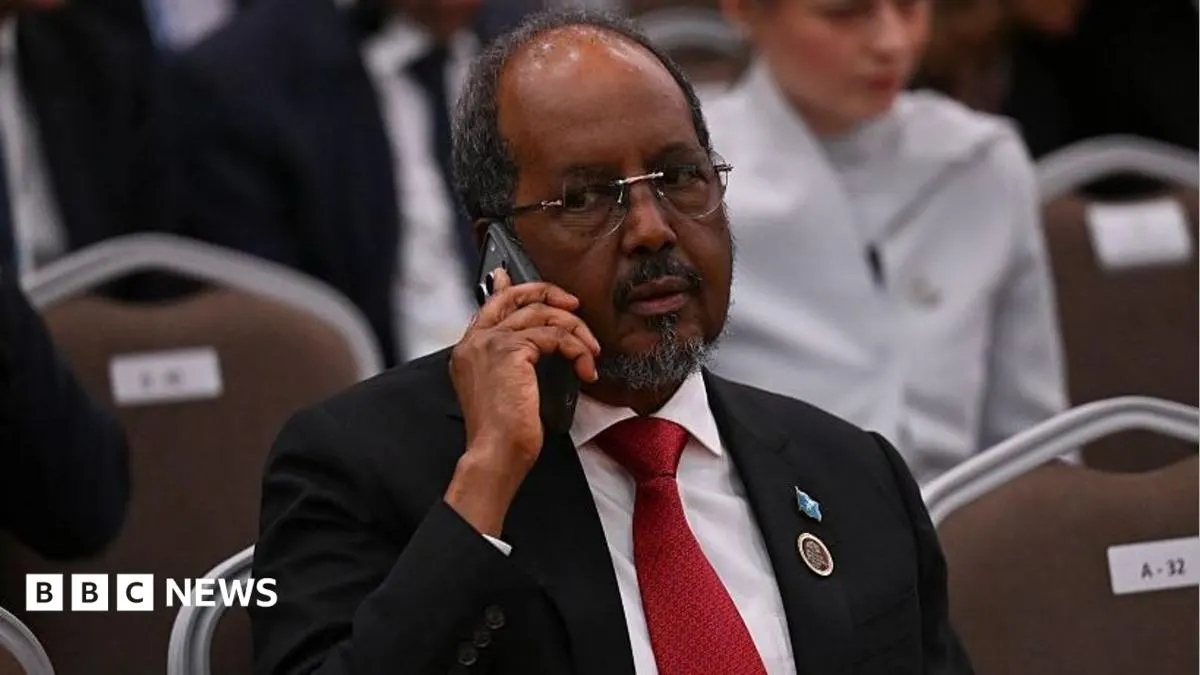
Somalia’s Supreme Court has ruled that President Hassan Sheikh Mohamud unlawfully extended his term, intensifying a political confrontation between the presidency and judiciary. It said constitutional changes approved by parliament could not apply retrospectively to his current term, which expired in May, and gave political leaders 30 days to agree an electoral plan and 90 days to hold elections.
The court also ruled that Mohamud lacked authority to dismiss Chief Justice Bashe Yusuf Ahmed, declaring the dismissal invalid and saying the chief justice could only be removed through constitutional procedures. The decision casts doubt on plans for parliamentary elections on 15 April 2027 and a presidential vote the following month, which opposition groups and Puntland and Jubaland reject. Mohamud has called national talks for 14 to 18 November, while the dispute unfolds alongside the fight against al-Shabaab and concerns over Uganda’s planned troop withdrawal.
In short
- Somalia’s Supreme Court rejected the president’s term extension.
- Political leaders have 30 days to agree an electoral plan.
- The rulings deepen uncertainty over elections and judicial independence.
Steelman: both sides, in good faith
The strongest fair case each way — we don't pick a winner.
The case for
The court’s ruling can be defended as upholding constitutional limits: changes approved during a president’s term should not retrospectively extend that term, and removing a chief justice should follow established procedures. Requiring leaders to agree an electoral plan and hold elections within set deadlines may offer a lawful route out of a dispute that risks weakening public confidence in state institutions.
The case against
The presidency and its supporters could argue that constitutional changes approved by parliament provide a basis for the proposed electoral timetable, and that elected institutions should have room to resolve disagreements over how those changes apply. They may also see the court’s intervention and deadlines as complicating national talks and electoral preparations at a time when Somalia faces serious security pressures; that case depends on the changes being constitutionally valid and the court’s authority being accepted.
Elections Government Politics World