World news and discussion on TalkFuse.
Son sounds alarm after father’s medically assisted death in Canada: Way past appropriate’
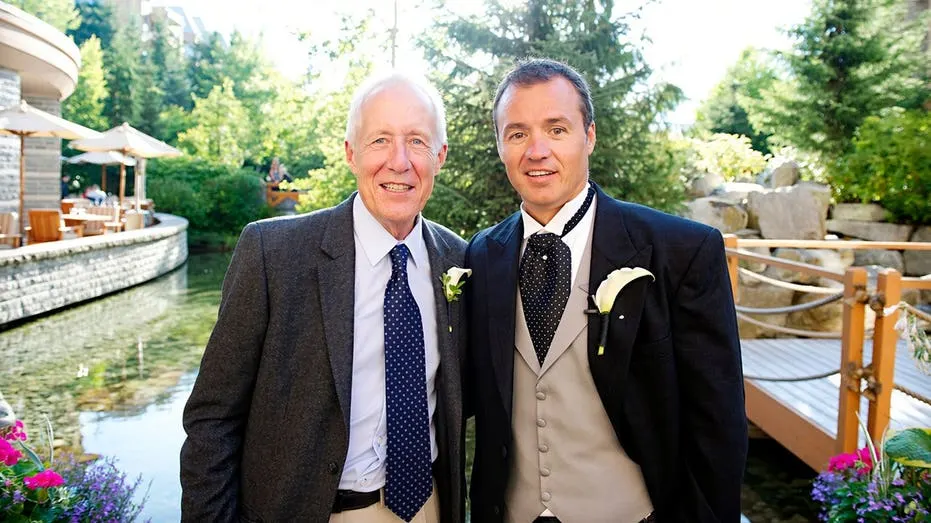
Eric Edmeades says his father Baz’s medically assisted death in Canada happened far sooner than the family expected, leaving them little time to prepare. The experience has led Edmeades to question whether the programme has adequate safeguards, and he argues that its implementation has gone “way past appropriate”, while acknowledging that assisted dying may be suitable in some circumstances.
Baz, who was in his late 70s, had several health problems, including epilepsy and neurological pain, and his independence and physical health had declined. The family began taking his interest in MAiD seriously in January 2024, believing the process could take at least six months; he died under the programme on 27 February. Edmeades says he was not in contact with his father’s medical providers and only pieced together what had happened afterwards.
In short
- Baz died through Canada’s MAiD programme on 27 February 2024.
- His son says the process moved far faster than the family expected.
- The experience prompted questions about safeguards and oversight.
Steelman: both sides, in good faith
The strongest fair case each way — we don't pick a winner.
The case for
Supporters of MAiD can argue that a competent adult facing serious, worsening illness should be able to choose a medically supervised death, rather than endure suffering they find intolerable. Clear safeguards and timely access can respect personal autonomy and dignity, while the family’s shock may reflect a breakdown in communication rather than proof that the programme’s criteria were wrongly applied.
The case against
Critics can argue that a decision with irreversible consequences demands especially careful assessment, time for reflection and clear communication with those the patient wishes to involve. If Baz’s death came far sooner than his family expected, that experience raises reasonable questions about whether safeguards and coordination are adequate, particularly for people who may be vulnerable as their health and independence decline.