Entertainment news and discussion on TalkFuse.
Sony Can’t Hide Forever
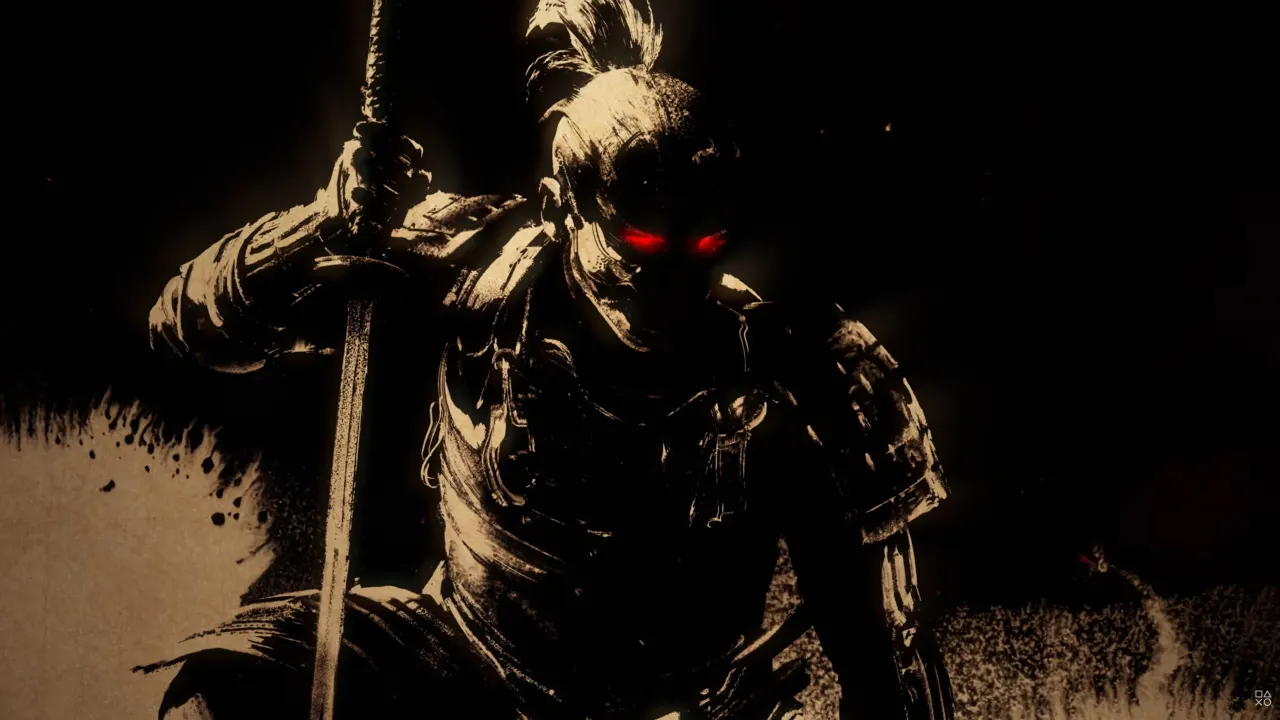
Polygon's Patch Notes newsletter argues that Sony is failing to weather a wave of fan anger despite its usual strategy of staying silent and letting controversies pass. Unlike Xbox, which regularly puts executives forward to explain decisions publicly, Sony has kept a low-key, businesslike public stance for two decades, but this approach is being tested by mounting frustration over its recent handling of PlayStation hardware and live-service games.
The immediate trigger was this week's State of Play showcase, which the writer describes as modest but competent, featuring updates on major titles, indie games, a 2027 blockbuster, Lego PlayStation products and a Grand Theft Auto 6 controller, alongside a stronger showing for Japanese titles such as Gundam Rogue Orbit and Rhapsody in Scarlet. Despite this, viewer reaction was dominated by protest, with fans flooding YouTube comments over Sony's decision to end PlayStation disc production and its court arguments questioning whether consumers truly own digital games, alongside separate anger over the treatment of Bungie and live-service titles. The article concludes that Sony is unlikely to change course, given the commercial certainty of GTA 6's success, but suggests the company's refusal to acknowledge fan grievances is deepening resentment regardless.
In short
- Sony stays silent as fans revolt over ending PlayStation disc production
- State of Play showcase was solid but overshadowed by backlash
- Sony unlikely to change course, with GTA 6 success assured
Steelman: both sides, in good faith
The strongest fair case each way — we don't pick a winner.
The case for
Sony’s low-key, businesslike approach can help it avoid inflaming disputes and keep attention on products rather than executives’ public explanations. The State of Play offered a range of updates, and Sony may judge that commercial results and consistent delivery matter more than responding to every wave of online criticism.
The case against
Silence can make customers feel that significant changes to hardware, digital ownership and live-service games are being imposed without meaningful explanation or accountability. Even if Sony sees these decisions as commercially sound, addressing the concerns directly could preserve trust; leaving them unanswered risks turning separate frustrations into lasting resentment.
Explained simply
Sony has spent about two decades handling controversy by staying quiet and letting bad press fade, in contrast to Xbox, which tends to send executives out to explain unpopular decisions. That approach is a deliberate corporate style choice rather than a legal requirement, and it has generally worked for Sony because PlayStation's dominant market position gives it less need to win back public goodwill through explanation.
That strategy is now being tested by several grievances building up at once: Sony's move to stop making PlayStation game discs, legal arguments it has made in court suggesting buyers of digital games do not fully own them, and separate frustration over how live-service games and the studio Bungie have been handled. These issues surfaced strongly around a recent State of Play, Sony's regular online showcase where it reveals upcoming games and hardware.
This matters because it touches on a wider debate in gaming about ownership, physical formats and how much say players have over the direction of the platforms they use. Sony's commercial position, bolstered by anticipation for the next Grand Theft Auto game, means it faces little immediate financial pressure to change course, but the episode illustrates the tension between corporate silence and an increasingly vocal player base.