Sony Ends Physical PlayStation Game Production by 2028, Drawing Industry Backlash
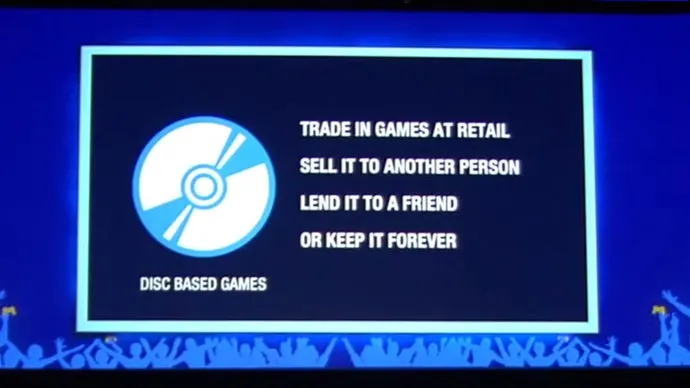
Sony announced it will discontinue the production of physical discs for PlayStation games beginning January 2028, marking a significant shift toward an all-digital gaming future. The company justified the decision by citing evolving consumer preferences, though the move has prompted immediate controversy and speculation that competitors like Xbox may follow suit.
Special edition game publishers and collector enthusiasts have voiced strong opposition to the shift, with boutique manufacturers of premium physical editions expressing concern about the impact on their business models. The decision has reignited broader industry discussions about digital ownership, consumer rights, and the future of physical media in gaming.
- Sources
- 2
- Outlets
- 1
- Left · Centre · Right
- 0 · 0 · 0
- Votes
- 1
In short
- Sony will stop producing physical PlayStation game discs from January 2028, citing consumer preference for digital
- The decision has sparked backlash from special edition game makers and collector communities
- Industry watchers speculate other major platforms may follow suit with their own all-digital transitions
How this story developed
- 4 months ago Sony announced it will discontinue the production of physical discs for PlayStation games beginning January 2028, marking a significant shift toward an all-digital gaming future.
Steelman: both sides, in good faith
The strongest fair case each way — we don't pick a winner.
The case for
Digital distribution advocates would argue that the shift reflects genuine consumer preferences and offers substantial practical and environmental benefits. Digital delivery eliminates manufacturing, packaging, and distribution waste whilst providing immediate access, faster patches, and improved profit margins that can be reinvested in game development. This transition aligns with consumer behaviour across other media and represents sound business evolution.
The case against
Physical media proponents contend that discontinuing physical games threatens consumer ownership rights, since players licence rather than own digital titles and risk losing access if servers close. They emphasise concerns for those lacking reliable broadband, the irreplaceable cultural value of game preservation, and the economic harm to independent collectors, boutique publishers, and used game markets that depend on physical media's tangible nature.
Explained simply
Video games are sold either on physical discs or as digital downloads through online stores. Physical copies can be lent, resold and kept by owners, while digital purchases are tied to an account and depend on the platform’s store and licensing rules.
Sony makes PlayStation consoles and runs one of the largest digital game shops, alongside selling games through retailers. Its reported move would affect game publishers, shops and specialist companies that produce limited or collector editions on disc.
The debate matters because it raises questions about how players keep access to games over time, particularly if online stores change or close. It could also influence whether other console makers continue to support discs and how games are preserved for future players.
Coverage · 2 sources
Art Celebrity Culture Entertainment Gaming