Entertainment news and discussion on TalkFuse.
Sony has ‘zero understanding for what their customers want’ says gaming preservation group
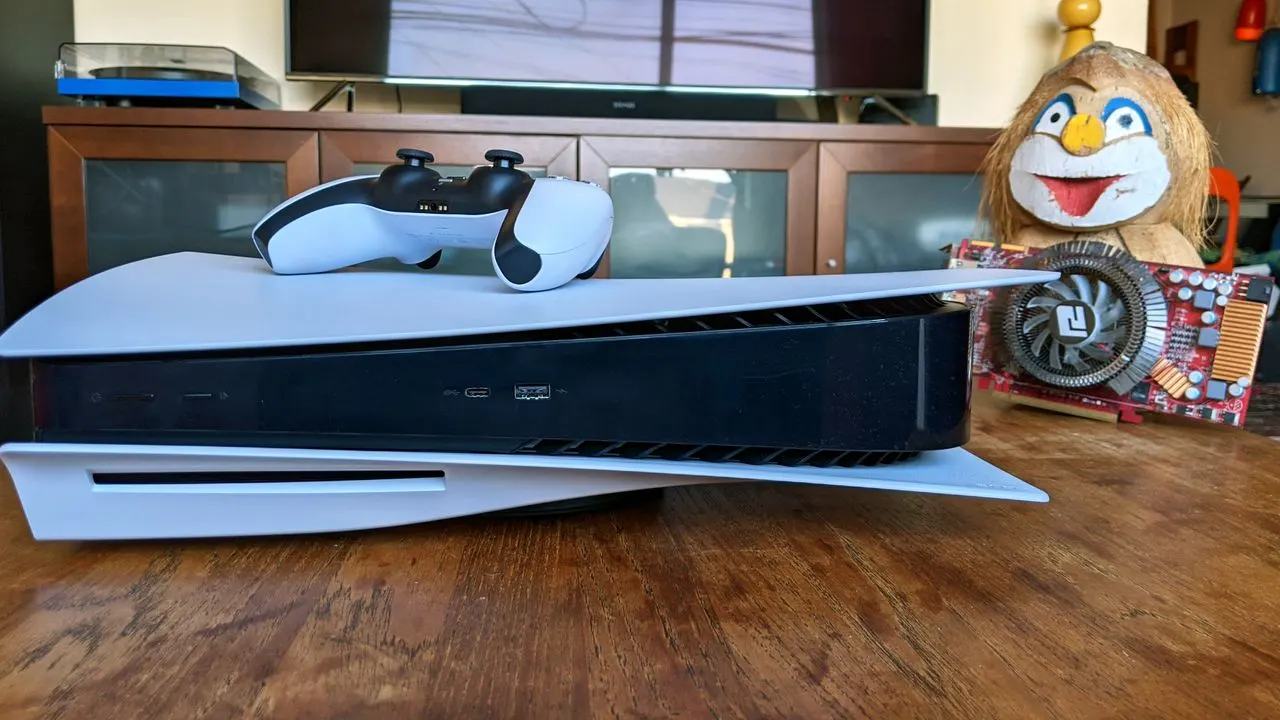
Game-preservation advocate Clemens Istel has criticised Sony over its expected move away from physical disc support, arguing that it shows poor understanding of customers’ desire to retain control of games they buy. He says the shift could further weaken ownership rights, make games more dependent on online services and reduce competition in console-game pricing.
Istel, who runs the preservation database Does It Play and works with Stop Killing Games, said 34% of physical PS5 games and 50% of tested Xbox Series X games already cannot fully function without a download. He argues that discs preserve playable launch versions and allow resale, while DRM-free PC stores such as GOG offer a more durable alternative; nevertheless, he expects physical media to survive outside the mainstream.
In short
- Preservation group criticises Sony’s move away from game discs.
- Many modern physical games still require downloads to work fully.
- Advocates want lasting ownership and offline access.
Steelman: both sides, in good faith
The strongest fair case each way — we don't pick a winner.
The case for
Critics argue that shifting away from physical media abandons principles of genuine ownership and game preservation. Once a game exists only as a digital licence tied to corporate servers, players lose the ability to play offline, resell, or ensure long-term access should servers close or companies change policies. The data showing many current 'physical' copies already require substantial online downloads highlights that digital-only models concentrate control over pricing, availability, and playability entirely with corporations, removing the competitive pressure that retail alternatives historically provided.
The case against
Sony and others contend that digital distribution better serves most consumers' actual preferences and needs. Digital delivery is faster, more convenient, and removes physical storage and environmental costs; the dominance of streaming and digital music suggests consumers willingly trade ownership for immediate access and ease. A fully digital ecosystem also enables ongoing service improvements and financial sustainability for developers and publishers. Preservation concerns, whilst legitimate, affect a small group of enthusiasts rather than the mainstream market, which has voluntarily chosen digital platforms.
Explained simply
Console games are sold on disc or downloaded from an online store. A disc can let someone install and play a game without relying on a shop’s servers, though some discs still need a download or an internet connection to work fully.
Clemens Istel runs Does It Play, a database that checks how well games work from physical copies, and is involved with Stop Killing Games, a campaign focused on access to games after online services end. The debate is about what buying a game means: a disc can be lent or resold and may preserve a playable version, while a digital purchase can depend on the platform’s accounts and services.
This matters to players who want to keep games playable over time, and to the market for console games. If fewer games are sold on disc, resale may become harder and players may have fewer places to compare prices; the extent of those effects depends on how games and services are provided.