Sony phones in an update to the midrange Xperia 10 and slaps a sizable price hike on it
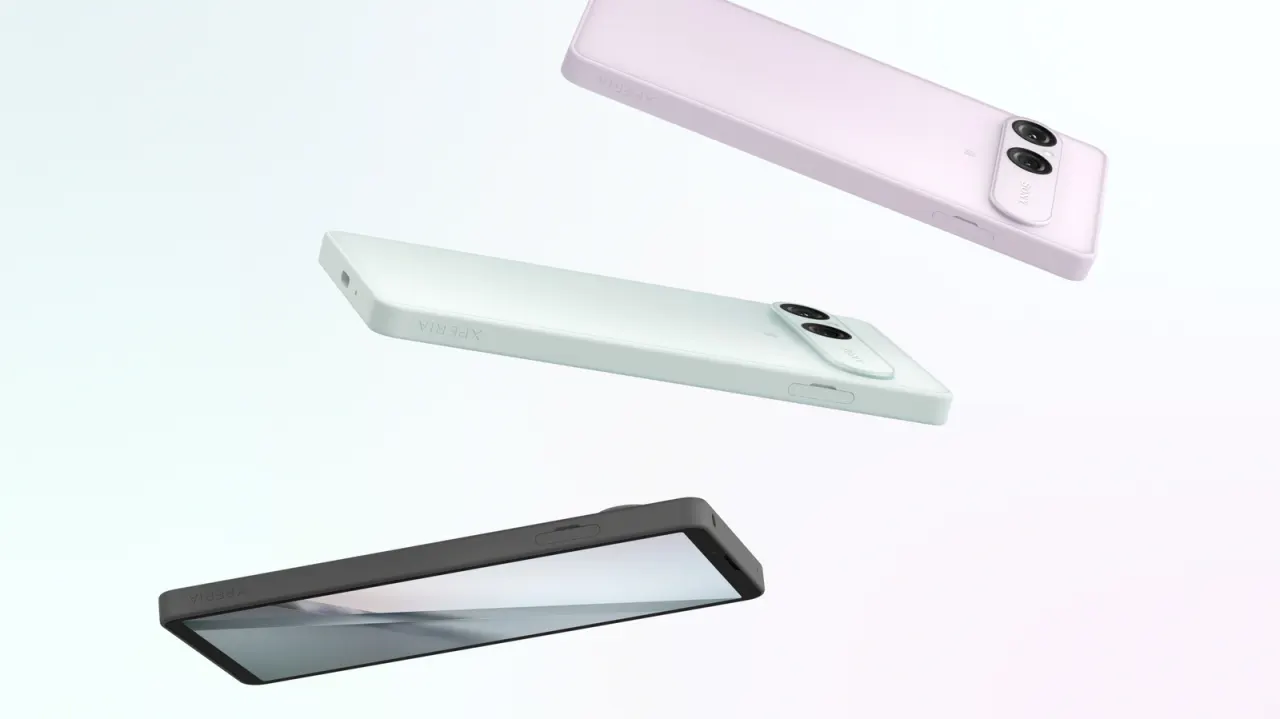
Sony has launched the Xperia 10 VIII, an update to its midrange Android handset that offers only minor changes over last year's Xperia 10 VII while costing considerably more. The move highlights how component costs, particularly the ongoing memory chip shortage sometimes dubbed the "RAMpocalypse", are pushing up prices even on modest phone refreshes with few tangible improvements for buyers.
The new phone keeps the same 6.1-inch 2340 x 1080 OLED display, Snapdragon 6 Gen 3 chipset, 8GB of RAM, 5,000mAh battery and 128GB base storage as its predecessor, with the screen simply able to get 50% brighter. The camera setup is unchanged, still featuring a 50MP main sensor, 13MP ultrawide and 8MP front camera, while the main new additions are 15% louder speakers and quick-access digital payments via a double tap of the power button. It comes in Frozen White, Frosted Grey and Misty Lilac finishes and will cost £549 in the UK, £150 more than last year's model, when it goes on sale in September; Sony no longer sells Xperia phones in the US.
- Sony's Xperia 10 VIII is nearly identical to last year's Xperia 10 VII
- UK price jumps £150 to £549, blamed partly on RAM shortages
- Only real changes are a brighter screen and louder speakers
New here? Start with this
Sony’s Xperia phones are Android smartphones, and the Xperia 10 line sits in the middle of the range, below the more expensive flagship models. The “midrange” label generally means a phone with fewer premium features than a flagship, sold at a lower price.
Phone makers often update their models each year, but the changes can be modest: a brighter screen or louder speakers, for example, while the processor, cameras and storage stay much the same. The Xperia 10 is sold in the UK and some other markets, but Sony no longer sells its phones in the US.
The price of making phones depends partly on the cost and availability of components such as memory chips. When those costs rise, manufacturers may charge more even for a model with few major changes, affecting what buyers get for their money.
Both sides, in good faith
The strongest fair case each way — we don't pick a winner.
The case for
Rising memory chip costs and inflation legitimately increase manufacturing expenses, and even modest improvements—including a 50% brighter display, improved speaker output, and new payment features—provide measurable value. Companies must maintain healthy margins to fund future innovation and justify continued investment in products that many consumers appreciate for their compact size and reliability.
The case against
The 37% price jump significantly outpaces the value delivered, particularly for budget-conscious mid-range buyers who represent the phone's intended market. When competitor handsets offer similar or better specs at lower prices and previous-generation alternatives remain available, Sony's pricing appears to prioritise margin expansion over accessibility, risking customer goodwill in a competitive segment.