Soon-to-be merged Paramount and Warner Bros. will be known as Skydance going forward
Developing story first seen 3 hours ago
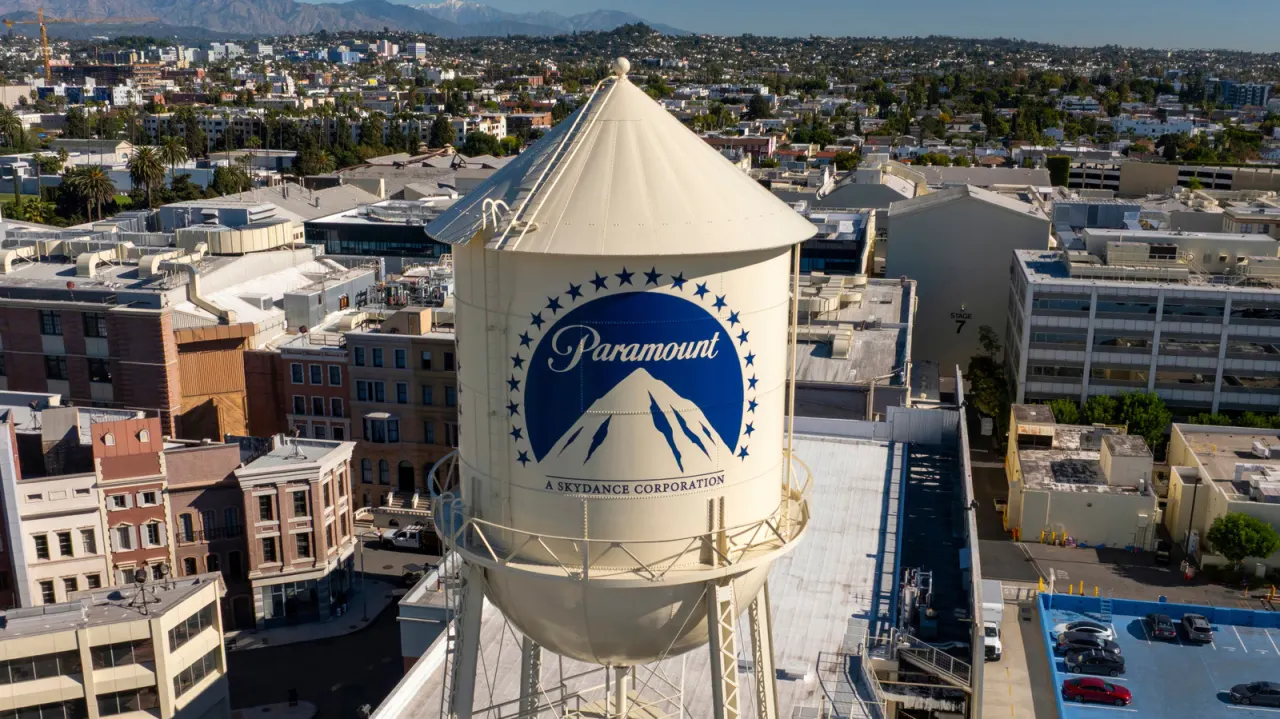
Paramount and Warner Bros. will operate under the name Skydance when their planned merger is completed, CEO David Ellison announced on X. The $110 billion deal is expected to close this month and would unite two major film studios, their streaming services and prominent entertainment franchises.
Ellison said the new name, taken from the company he founded in 2006, is intended to give the merged business its own identity while keeping the Paramount and Warner Bros. brands in view. The combined company would bring HBO Max and Paramount+ under one roof, along with properties including Harry Potter, DC and Game of Thrones. Questions remain about editorial independence at CNN and CBS News; Paramount has reportedly approved an oversight board for both networks and committed to releasing 30 films in cinemas each year.
- The merged company will be called Skydance.
- The $110 billion deal is expected to close this month.
- CNN and CBS News are to have an editorial independence board.
New here? Start with this
Two of Hollywood's most established studios, Paramount Pictures and Warner Bros., are merging to create a new company called Skydance. The $110 billion deal is expected to close this month under the leadership of CEO David Ellison. Both studios have been major forces in entertainment for over a century, producing some of the industry's most recognised films and television programmes.
The merger combines enormous entertainment portfolios, including major franchises such as Harry Potter, DC Comics properties and Game of Thrones. It also brings together two significant streaming services, HBO Max and Paramount+, creating a larger platform to compete with rival streaming companies. This consolidation reflects broader changes in the entertainment industry as studios adapt to how audiences now consume content.
One concern arising from the merger involves news operations, as Paramount owns CBS News and CNN. To address worries about editorial independence, Paramount has established a news editorial independence board to oversee both networks and committed to releasing 30 theatrical films annually.
Both sides, in good faith
The strongest fair case each way — we don't pick a winner.
The case for
The merger creates substantial operational efficiencies that allow these historic studios to compete effectively against technology giants and streaming platforms in a transformed entertainment landscape. By consolidating resources, streaming services and franchises whilst preserving distinct creative identities, Skydance can invest more ambitiously in quality content and theatrical releases. Regulatory approval following an antitrust settlement indicates competition authorities found the arrangement acceptable, and the commitment to 30 annual theatrical films demonstrates a principled approach to preserving traditional distribution.
The case against
Consolidating two major studios into a single $110 billion entity concentrates considerable cultural and informational power in fewer hands, raising genuine concerns about media plurality vital to democratic discourse. Whilst editorial independence boards for CNN and CBS News are welcome, they remain structurally subordinate to corporate priorities within a unified structure. The merger reduces competitive pressure that drives innovation, content diversity and fair licensing practices, particularly problematic given existing media consolidation already limits the range of voices and storytelling available to audiences.
Full account
The impending merger of Paramount and Warner Bros., valued at approximately $110 billion, will operate under the unified corporate banner of Skydance, according to an announcement made by David Ellison, chief executive of the combined entity, via social media on 2 October 2026. The transaction is anticipated to complete before the end of the month, following the successful resolution of significant regulatory obstacles in September.
The consolidation will bring together two of Hollywood's most established production houses, encompassing the streaming platforms HBO Max and Paramount+, alongside major entertainment franchises including Harry Potter, DC Comics properties and Game of Thrones. The Skydance name derives from the production company that Ellison founded in 2006, which has become a significant player in entertainment production and acquisition in recent years.
Ellison emphasised that the corporate identity decision was designed to provide the combined organisation with a distinct brand whilst preserving the individual legacies of both studios. In his statement, he noted that Paramount and Warner Bros. each possess "distinct identities, extraordinary legacies and brands that have resonated with audiences for generations," and stressed that Skydance as the umbrella name would allow both heritage studios and their associated properties to "remain in the spotlight." The branding architecture presented places the Skydance name prominently, with subsidiary brands including Paramount, Warner Bros., HBO Max, DC, CNN and CBS as smaller visual elements. The company has committed to releasing approximately 30 theatrical films annually and established an editorial independence board to oversee CNN and CBS News operations.
The naming decision has generated considerable discussion regarding the practical significance of brand heritage in contemporary media. Whilst some observers have questioned whether the established identities of Paramount and Warner Bros. will retain meaningful distinction under Skydance's corporate structure, comparisons to previous studio consolidations present contrasting scenarios. The Comcast-Universal relationship demonstrates how a historic studio name can maintain consumer recognition following acquisition; conversely, Disney's purchase of 20th Century Fox resulted in discontinuation of the Fox brand and a marked reduction in that division's output. The designation of Skydance—a company founded merely two decades ago—as the primary corporate identity for studios collectively spanning over two centuries has prompted commentary regarding whether this branding strategy reflects confidence in operational cohesion or prioritises founder legacy.
Where outlets differ
Source 1 emphasises regulatory completion and business logistics; Source 2 focuses on cultural and strategic implications
Source 1 highlights editorial independence safeguards for news operations; Source 2 does not address this governance concern
Source 1 presents Ellison's brand-preservation rationale with apparent acceptance; Source 2 examines widespread scepticism about whether subsidiary brands will genuinely maintain independence
Source 2 provides historical comparisons to previous acquisitions to contextualise likely outcomes; Source 1 does not employ such analysis
Source 2 includes social media criticism and performs critical analysis of the Skydance name itself; Source 1 maintains straightforward announcement reporting