Sport news and discussion on TalkFuse.
Sophie Cunningham doubles down ahead of Sun game after ESPN profile stirs controversy: ‘I said what I said’
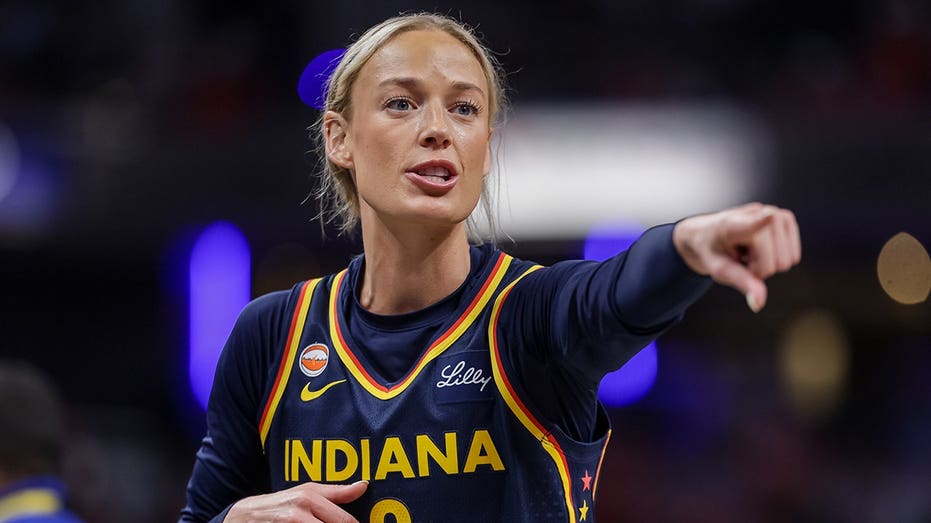
Indiana Fever guard Sophie Cunningham reinforced her position on women's sports ahead of a game against the Connecticut Sun, signalling she would not back away from comments that had generated backlash. An ESPN profile had apparently stirred controversy over her remarks regarding protections for women's sports concerning transgender participation. Rather than retreat from her stance, Cunningham chose to demonstrate resolve by reiterating her position publicly.
The incident reflects ongoing tensions within sports media and professional basketball regarding the balance between inclusion and women's sports protections. Cunningham's willingness to maintain her position in the face of criticism signals her conviction in the issue, though the limited detail in available reporting leaves substantial aspects of the underlying debate unexplored.
In short
- Sophie Cunningham, Indiana Fever guard, restated her position on protecting women's sports from transgender participation despite recent controversy
- She declined to retract her comments ahead of a game against Connecticut Sun, declaring 'I said what I said'
- The ESPN profile that sparked backlash prompted her to publicly reaffirm rather than distance herself from her stance
Steelman: both sides, in good faith
The strongest fair case each way — we don't pick a winner.
The case for
Advocates for protected women's sports categories argue that the biological differences between sexes create measurable physical advantages that affect competitive fairness, and that women's sports exists fundamentally to provide female athletes with equitable competition opportunities. They contend that preserving sex-separate categories protects the integrity of women's athletics and the achievements of female competitors, whilst respecting transgender individuals' dignity through other means. This position prioritises the foundational principle upon which women's sports was established: ensuring women could compete on equal terms.
The case against
Those favouring inclusive policies argue that non-discrimination principles are central to fair treatment, and that hormone therapy and other factors substantially reduce or eliminate physical advantages within specific timeframes. They note that transgender athletes represent an extremely small proportion of sports participants, making categorical exclusions a disproportionate response, and that exclusion causes documented psychological harm to transgender individuals. This position contends that inclusion and fairness need not be mutually exclusive if policies are evidence-based and proportionate.
Explained simply
Sophie Cunningham is a guard for the Indiana Fever, a professional basketball team in the WNBA, the top basketball league in the United States. An ESPN profile recently brought public attention to her views on women's sports protections, sparking considerable debate and disagreement.
The core issue centres on how sports organisations should balance inclusion with protections specific to women's sporting categories, particularly regarding transgender participation. Different athletes, administrators, journalists, and members of the public hold varying views on how to approach this, making it a topic that generates strong opinion.
This debate matters because it affects policy decisions at multiple levels of sport, from professional to college to grassroots. The questions it raises about fairness, opportunity, and inclusion in athletics remain contested and unresolved.
Basketball Business Geopolitics Markets Politics Sport World