Sophie Cunningham sends message to her haters after saying men don’t belong in women’s sports
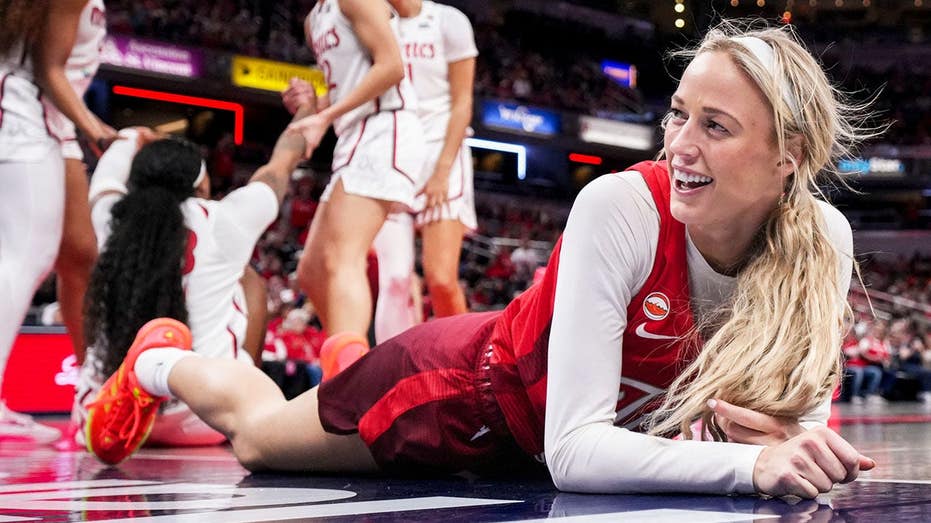
WNBA player Sophie Cunningham has hit back at critics after telling ESPN earlier this week that she does not believe men belong in women's sports, a comment that triggered a strong reaction from parts of the media covering the league. The forward, currently one of the WNBA's most talked-about figures, has doubled down on her stance rather than backing away from it, using the ensuing backlash to reinforce her original message.
The Fox News/OutKick piece frames Cunningham as unapologetic, quoting her telling critics to "quit complaining," "quit asking her about it" and "quit crying over it." The article, styled as opinion commentary, situates her remarks within wider ongoing debates in women's basketball media, alongside other unrelated news items such as Caitlin Clark opting out of the WNBA All-Star three-point contest.
- Sophie Cunningham reaffirmed men don't belong in women's sports.
- She dismissed the backlash, telling critics to stop complaining.
- Comments add to wider WNBA media debates involving Caitlin Clark.
New here? Start with this
Sophie Cunningham is a player in the WNBA, America's elite women's basketball league. Debates about who should be eligible to compete in women's sports have become increasingly prominent in recent years.
Cunningham stated to ESPN that she does not believe men should compete in women's sports. Rather than backing away when her comments drew criticism, she has stood firm on her position.
Her comments have become significant because they touch on broader questions about fairness and inclusion that are being debated across women's sports. Her decision to maintain her position has made her a notable voice in an ongoing conversation that divides opinion.
Both sides, in good faith
The strongest fair case each way — we don't pick a winner.
The case for
Women's sports categories exist precisely to provide fair competition and meaningful opportunity for female athletes. Sex-segregated sport reflects the biological reality that, on average, males possess significant athletic advantages in strength, speed and endurance-dependent disciplines. Upholding women's sports as spaces where females can compete fairly is not a matter of hostility but of principle—ensuring that the very purpose of these categories is preserved. This position rests on a straightforward commitment to fairness and to honouring the opportunities that women's sport represents.
The case against
This issue involves transgender athletes, a complex population that should not be reduced to the category 'men.' Thoughtful policy approaches—including individualised assessment, hormone therapy requirements, and sport-by-sport standards—can meaningfully address fairness concerns whilst respecting the dignity and participation rights of transgender women. Rather than categorical exclusions, many argue that careful, evidence-based eligibility criteria represent a more nuanced position that need not treat inclusion and fairness as irreconcilable values. The debate is complex enough that reasonable people applying genuine care to both fairness and inclusion can reach different conclusions.