World news and discussion on TalkFuse.
Soros-linked prosecutor blasted after accused killer got passport, fled US
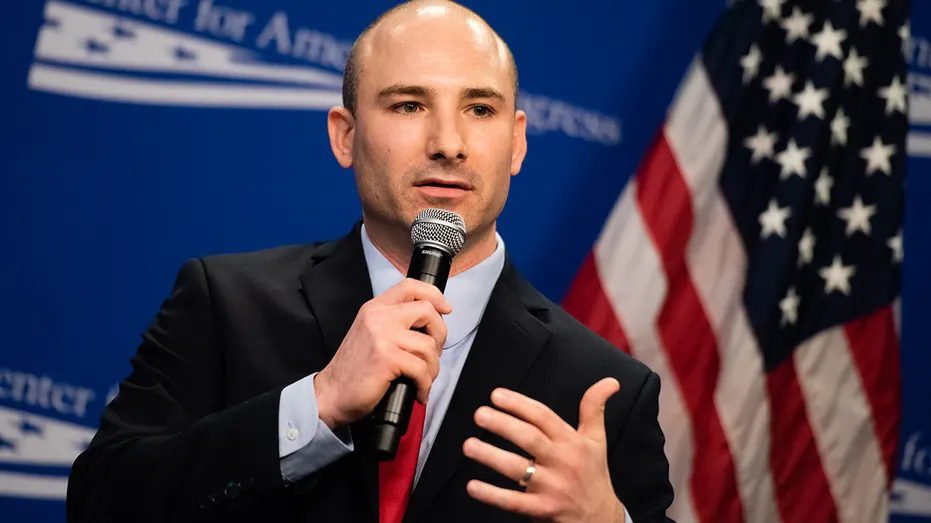
A Democratic prosecutor allowed Abdulloi Doniyor Toshpulodzoda, a Tajik national who had been found not guilty by reason of insanity of killing his landlord, to travel while held in psychiatric care in order to obtain a US passport. He subsequently used that passport to fly out of the country from Dulles International Airport, prompting sharp criticism of the prosecutor, who has reported ties to George Soros, and renewed questions about how someone in that legal position was able to leave the United States.
The case has drawn scrutiny over the decision-making that permitted an accused killer under a psychiatric commitment to secure travel documents and depart the US unimpeded. Critics have pointed to the prosecutor's Soros-linked background as part of a wider debate over progressive prosecutorial policies, while officials and commentators are questioning the oversight gaps that allowed the passport application and subsequent flight to go ahead.
In short
- Accused killer in psychiatric custody obtained a passport and fled the US
- Soros-linked Democratic prosecutor blamed for allowing his travel
- Case raises questions over oversight of defendants found insane
Steelman: both sides, in good faith
The strongest fair case each way — we don't pick a winner.
The case for
Once found not guilty by reason of insanity, an individual is no longer a criminal defendant but a patient in a treatment system. Psychiatric commitment is meant to be time-limited and focused on rehabilitation rather than indefinite restriction comparable to incarceration. A reasonable prosecutor might believe that denying someone in psychiatric care the ability to obtain documents or travel would be excessive restriction of liberty that undermines recovery. The commitment order itself provides authority to prevent dangerous conduct if necessary; restricting all liberty preventatively conflicts with principles of proportionality and human dignity.
The case against
The individual was found not guilty by reason of insanity of murder—they committed a killing demonstrating capacity for lethal violence. Though not criminally responsible, the psychiatric commitment reflected the system's judgment that the person posed ongoing danger. Allowing someone with such a history to obtain a passport whilst under commitment represented a serious prosecutorial failure. That the person subsequently fled shows the decision was dangerously misjudged, and prosecutors have a fundamental duty to prevent foreseeable public safety risks, particularly where someone has demonstrated capacity for serious harm.
Explained simply
In the United States, prosecutors handle criminal cases, while courts decide whether a person is guilty and what legal restrictions apply. A finding of not guilty by reason of insanity means a court has concluded that a person was not legally responsible for an offence because of their mental condition; the person may still be ordered to receive psychiatric care.
George Soros is a billionaire philanthropist whose donations to political groups have become part of debate over prosecutors who favour changes to criminal justice policy. In this case, questions about the prosecutor’s political connections sit alongside questions about how travel documents and permission to travel were handled.
The case matters because it raises questions about coordination between courts, psychiatric services and federal agencies responsible for passports and border security. Those systems have different roles, and scrutiny centres on how their decisions and checks interacted.