Technology news and discussion on TalkFuse.
Sources: Vulcan launch anomaly investigation is complex
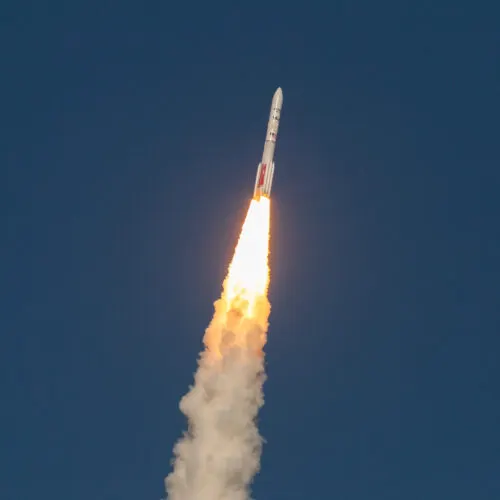
United Launch Alliance says its Vulcan rocket suffered low booster performance shortly after liftoff on its return-to-flight mission, leading to stage separation too low and too slow to reach orbit. The failure matters because Vulcan carries national security and commercial payloads, and the investigation could also affect Blue Origin’s plans to return its New Glenn rocket to flight.
The investigation is being led by ULA under Federal Aviation Administration oversight, and remains in its early stages. Preliminary information suggests the cause may lie in the vehicle’s propellant feed systems rather than the BE-4 engines themselves, though engineers are examining whether one engine produced reduced thrust; the Centaur V upper stage and solid boosters reportedly performed normally. This was Vulcan’s fifth flight since January 2024, and the setback could ground it for at least six months, affecting Space Force missions and more than a dozen Amazon Leo launches planned for 2027.
In short
- Vulcan lost its mission after low booster performance.
- Investigators are examining propellant systems and engine thrust.
- The failure could delay payloads and New Glenn’s return.
Explained simply
Vulcan is a rocket built by United Launch Alliance (ULA), a US company owned by Boeing and Lockheed Martin. It uses BE-4 engines made by Blue Origin, the space company founded by Jeff Bezos, and is designed to carry satellites and other payloads into orbit.
The US Space Force relies on Vulcan for some national security missions, while commercial customers use it to launch spacecraft. Any extended pause in flights could affect those plans, including a series of Amazon Leo satellite launches scheduled for 2027.
The Federal Aviation Administration oversees investigations into US commercial rocket failures, while ULA leads the technical inquiry. Findings about Vulcan’s systems could also be relevant to Blue Origin’s New Glenn rocket, which uses the same type of engine.