World news and discussion on TalkFuse.
South Africa plans new rules on ex-leaders’ foreign trips after Zuma’s visit to India
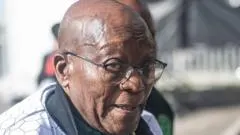
South Africa's foreign minister has proposed new rules requiring greater transparency around foreign trips by former heads of state, after ex-President Jacob Zuma sparked controversy by meeting businessman Ajay Gupta during a visit to India last month. The Gupta brothers were at the centre of the "state capture" corruption scandal that contributed to Zuma's downfall, and the meeting prompted accusations that Zuma was disrespecting South Africa, with one minister saying he had shown the country the "middle finger".
Foreign Affairs Minister Ronald Lamola said his department had submitted a recommendation to parliament and the presidency for new protocols requiring former leaders to provide full details of planned trips in advance, allowing officials to assess reputational, political, diplomatic and security risks. The India visit saw Zuma, 84, photographed with Ajay Gupta at a temple alongside South Africa's high commissioner to India, Anil Sooklal, who has since been recalled; both Sooklal and the Guptas deny wrongdoing. It is not the first such controversy: last year Zuma, now leader of the opposition MK party, angered the government by backing Morocco's claims over Western Sahara during a visit there, prompting a formal diplomatic protest.
In short
- South Africa to tighten rules on ex-leaders' foreign travel
- Prompted by Zuma's meeting with Gupta family figure in India
- Zuma has history of controversial trips, including to Morocco
Steelman: both sides, in good faith
The strongest fair case each way — we don't pick a winner.
The case for
The government has legitimate concerns about protecting South Africa's diplomatic standing and national interests. The Zuma-Gupta meeting was particularly problematic given that the Guptas were central to a corruption scandal, and the high commissioner's subsequent recall illustrates real diplomatic consequences. Former leaders carry symbolic weight internationally and their actions can damage South Africa's reputation and bilateral relationships. Requiring transparency about planned trips allows officials to address potential risks—security, reputational, or diplomatic—before crises occur, rather than managing them afterwards.
The case against
These restrictions risk treating former political leaders as subjects requiring government permission for their movements, setting a concerning precedent for any state. Once individuals leave office, they become private citizens with rights to freedom of movement and association, and requiring advance government approval is a significant overreach. There is real risk such rules could be weaponised against opposition figures, as has happened in other democracies. Rather than expanding executive control over former leaders' travel, South Africa should trust that adults can manage their own relationships without state interference when acting privately.
Explained simply
Jacob Zuma was South Africa’s president from 2009 to 2018. His time in office was marked by the “state capture” scandal, allegations that people with political influence improperly shaped government decisions for private gain. Businessmen Ajay and Atul Gupta were central figures in the scandal; they and Zuma have denied wrongdoing.
Former South African presidents can travel and meet people abroad after leaving office, but their activities may still affect the country’s diplomatic relations and public image. Zuma now leads the opposition MK party, and his past overseas comments have also caused disputes with the government.
The proposed rules would require former presidents to give officials details of foreign trips in advance so potential diplomatic, political, reputational and security concerns can be considered. The issue matters because South Africa is weighing how to manage those concerns while former leaders remain active in public life.