World news and discussion on TalkFuse.
South African citizen scientists uncover hidden urban world with hotels for solitary bees
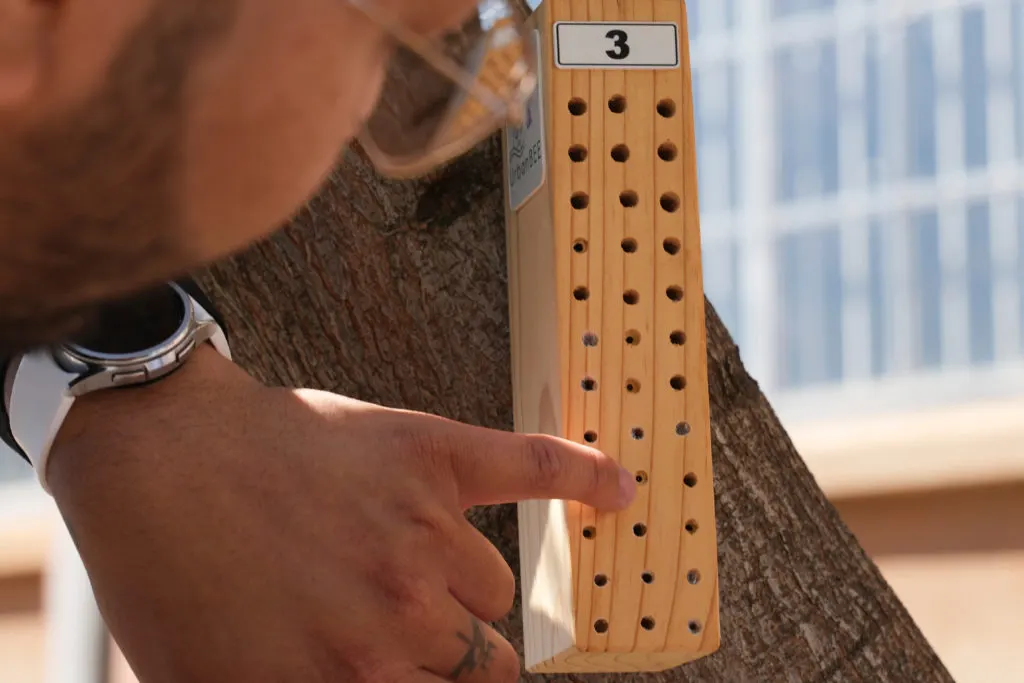
South African citizen scientists are monitoring solitary bees using 510 bee hotels placed with volunteers in Johannesburg and Cape Town. The work is part of the UrbanBEE project, which examines how cities shape solitary bee diversity. Most of the more than 20,000 known bee species are solitary and hard to locate, so the project also aims to reconnect city residents with nature.
UrbanBEE grew from a pandemic-era project involving 347 Johannesburg residents, led by University of the Witwatersrand researcher Chevonne Reynolds, and now includes studies in Budapest, Turin and Vienna, funded by the Biodiversa+ partnership. South Africa has roughly 1,300 bee species, most of them solitary. Volunteers began submitting weekly photographs in October 2025, and friendly competition over hotel occupancy has led many to learn to recognise bees. Researchers hope comparing cities will show how climate, vegetation and development affect bee diversity.
In short
- 510 bee hotels placed with volunteers across Johannesburg and Cape Town.
- Most of the 20,000-plus known bee species are solitary and hard to monitor.
- The project compares African and European cities to study urban bee diversity.
Africa Politics Research Science World