South Carolina mail-in voting law illegally discriminates, appeals court rules
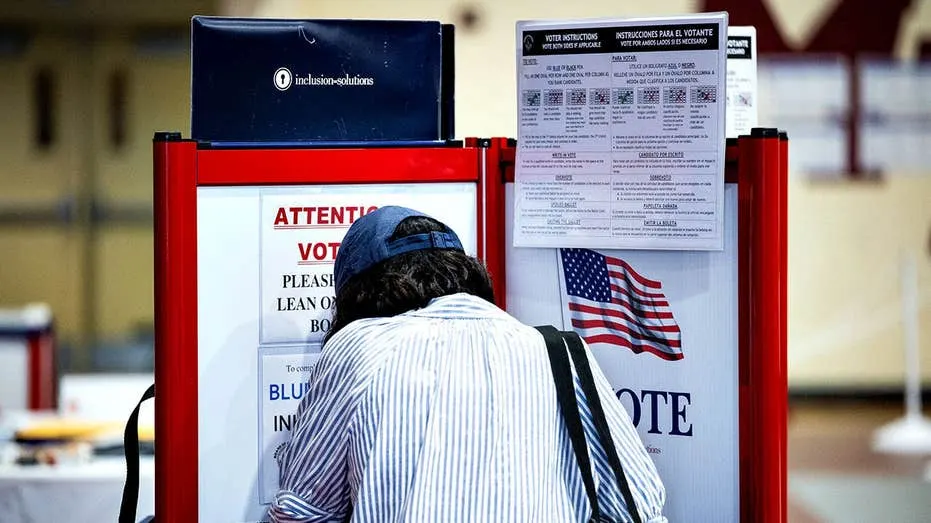
A federal appeals court has ruled that South Carolina's mail-in voting law is unconstitutional because it grants unrestricted absentee voting access to residents aged 65 and over while imposing stricter conditions on younger voters. The Fourth Circuit Court of Appeals found this age-based distinction breaches the 26th Amendment, which guarantees equal voting rights regardless of age, in a decision likely to have wider implications for how US states structure their mail-in voting rules.
The case began in 2023 when younger voters sued the South Carolina Elections Commission, arguing the exemption for over-65s was discriminatory; a lower court initially dismissed the claim before it reached the Fourth Circuit on appeal. Chief Judge Roger Gregory ruled that the state must either extend unrestricted absentee voting to all residents or to none, and sent the case back to lower courts for a decision on that basis. South Carolina officials intend to appeal further, potentially to the Supreme Court, and the ruling comes amid a separate, broader legal battle over the Trump administration's efforts to tighten mail-in ballot rules nationally.
- Court rules South Carolina's over-65 mail-in voting exemption unconstitutional
- Ruling says access must apply equally to all voters or none
- South Carolina plans to appeal, possibly to the Supreme Court
Both sides, in good faith
The strongest fair case each way — we don't pick a winner.
The case for
The ruling can be defended as enforcing the 26th Amendment’s promise that voting rights must not be restricted on the basis of age. If older voters may cast absentee ballots without giving a reason, younger voters can argue that the state needs a constitutionally sound basis for treating them differently; equal access also makes voting rules clearer and more consistent.
The case against
The state can argue that the age-based exemption is a practical accommodation for older residents, who may face greater mobility or health barriers, while preserving stricter absentee-voting conditions for others. It may also contend that the 26th Amendment does not require identical treatment where the rule expands access for one group rather than taking voting rights away, and that states should retain room to design election procedures.