Technology news and discussion on TalkFuse.
South Korea becomes fourth country globally to hit US$1 trillion exports on AI chip boom
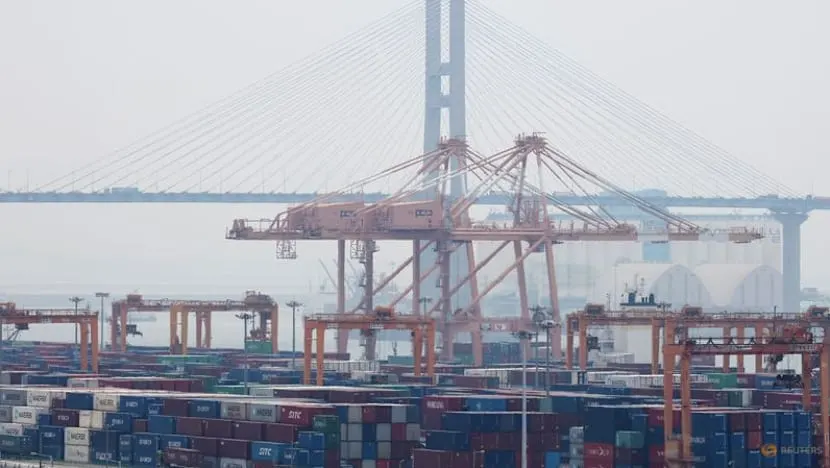
South Korea’s exports passed US$1 trillion on 19 November, making it the fourth country to reach that annual milestone after Germany, the United States and China. The record has been driven by surging global demand for AI chips, while many households have yet to feel the benefits amid weak domestic demand.
In the first three quarters of 2026, semiconductor exports rose 184 per cent year on year and made up 42 per cent of total exports, compared with an average share of 20 per cent over the previous five years. The government plans a 162.3 trillion won (US$121.94 billion) fund for growth industries, young people, regional development and education; South Korea’s economy is forecast to grow in the mid-3 per cent range this year, up from 1 per cent last year.
In short
- South Korean exports topped US$1 trillion for the first time.
- AI chip demand powered the record, with semiconductor exports up 184 per cent.
- The government aims to spread gains beyond exporters and chipmakers.
Steelman: both sides, in good faith
The strongest fair case each way — we don't pick a winner.
The case for
The export milestone and sharp rise in semiconductor sales show South Korea is gaining from global demand for AI chips, strengthening a major source of growth and potentially supporting jobs, investment and public revenues. The planned fund could help spread those gains to young people, regional areas and education, while the faster growth forecast suggests the boom may contribute to a broader recovery.
The case against
The figures also point to an uneven and potentially fragile recovery: semiconductors account for an unusually large share of exports, leaving growth exposed to shifts in AI demand and the chip market. If households continue to face weak domestic demand, the headline export record may bring limited near-term relief to many people, and the planned fund’s scale alone does not establish how widely or effectively its benefits will be felt.
Explained simply
South Korea’s economy depends heavily on exports: goods made in the country and sold abroad. Major exporters include chipmakers Samsung Electronics and SK Hynix, whose semiconductors are used in computers, phones and data centres.
Demand for chips used in artificial intelligence has risen as companies build computing capacity for AI services. This has lifted semiconductor exports sharply, giving chips a much larger role in South Korea’s overseas sales than in recent years.
Export growth can boost national income, but it does not automatically raise spending or wages for households. South Korea is also dealing with weak domestic demand, so the gains from the chip boom may be felt unevenly across the economy.
AI Americas Asia Technology World