Culture news and discussion on TalkFuse.
South Korea crisis deepens over sexual favours scandal
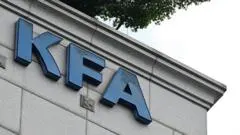
South Korea’s Football Association has apologised after reports alleged that its staff used association credit cards to pay for sexual entertainment for visiting foreign referees in the early 2010s. The claims have intensified scrutiny of the KFA, already facing public anger over the national team’s World Cup exit, leadership resignations and questions over its managerial appointments.
A 2016 government report, released after being obtained by JTBC, found alleged payments of 5.6m won (£2,927) were falsely recorded as food, drink or massages; some referees had officiated South Korea’s World Cup and Olympic qualifiers. Police may consider the allegations as part of their wider inquiries, though many offences face a 15-year limitation period; the KFA says such conduct is not happening now.
In short
- KFA apologises over alleged sexual-entertainment payments for foreign referees.
- The scandal adds to wider turmoil within South Korean football.
- Police may review the allegations alongside existing KFA investigations.
Steelman: both sides, in good faith
The strongest fair case each way — we don't pick a winner.
The case for
This scandal reveals systemic institutional corruption, not an isolated error. Systematically providing sexual entertainment to foreign referees before critical matches with falsified records demonstrating concealment indicates deliberate misconduct embedded in organisational culture. An apology is insufficient; rebuilding credibility requires thorough investigation, structural reform, and leadership changes to establish that the KFA has fundamentally transformed rather than merely apologised for getting caught.
The case against
The KFA has acknowledged severe errors from the early 2010s and formally apologised. While the conduct was genuinely wrong, treating historical misconduct a decade old as evidence of ongoing institutional corruption risks unfairly damaging Korean football. The appropriate response is accepting the institutional accountability represented through apology whilst supporting governance reforms to prevent recurrence. Meaningful organisational change requires giving reformed institutions opportunity to demonstrate improvement rather than assuming underlying corruption persists.
Explained simply
The Korea Football Association (KFA) governs football in South Korea, including the national team and domestic competitions. International referees may be invited to officiate matches involving South Korean teams, including qualifying games for major tournaments.
The allegations concern association spending in the early 2010s, when some visiting referees were said to have received sexual entertainment paid for with KFA credit cards. A government report later found that alleged payments had been recorded as ordinary expenses, such as food, drink or massages. The KFA has apologised and says the conduct is not happening now.
The claims raise questions about oversight of the association and whether referees’ independence could have been affected. They have added to existing public scrutiny of the KFA, while the age of the alleged offences may limit what police can pursue.
Art Asia Culture Entertainment Sport TV World