World news and discussion on TalkFuse.
South Korea fines 15 bond dealers 1.6 trillion won for collusion
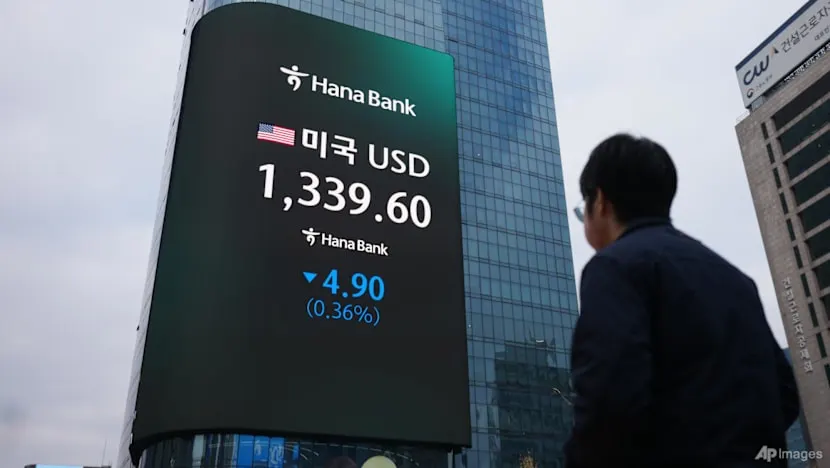
South Korea’s Fair Trade Commission has fined 15 domestic brokerage firms and banks a total of 1.6 trillion won (US$1.2 billion) for colluding in government bond auctions. The regulator said their coordination artificially raised bond yields, potentially increasing the government’s borrowing costs and affecting the efficiency of public finance.
From January 2020 to June 2023, the primary dealers shared information about bidding yields by phone or Telegram shortly before auction deadlines. They exchanged information in 150 auctions and directly agreed on yields and volumes in 145 of them. The commission said the penalties are intended to encourage effective competition in future auctions.
In short
- South Korea fined 15 bond dealers 1.6 trillion won.
- Dealers coordinated bids in 145 government bond auctions.
- The regulator said the collusion artificially raised bond yields.
Steelman: both sides, in good faith
The strongest fair case each way — we don't pick a winner.
The case for
The fines can be defended as a proportionate response to deliberate coordination that undermined competition in 145 auctions and risked raising the state’s borrowing costs. Strong penalties may deter future collusion, protect public finances and help ensure auction outcomes reflect genuine competition.
The case against
A very large penalty can be questioned if its calculation does not carefully distinguish the firms’ roles, the harm caused and the evidence for each alleged agreement. Defenders of a more restrained approach may argue that penalties should be proportionate and based on transparent, consistent standards, while preserving confidence in the primary dealers needed for orderly government bond auctions.
Explained simply
South Korea raises money by selling government bonds, which are loans investors make to the government. In auctions, banks and brokerage firms submit bids stating the yield they are willing to accept; the yield affects how much the government will pay to borrow.
Some firms are designated primary dealers, giving them a central role in bidding for government bonds and supporting the market. The Fair Trade Commission is South Korea’s competition regulator, responsible for addressing agreements between businesses that may restrict competition.
The auction process matters because government borrowing costs affect public finances. Competition between bidders helps determine bond yields, while coordination can influence those costs and how efficiently the government raises money.