Technology news and discussion on TalkFuse.
South Korea making its own security-centric AI model
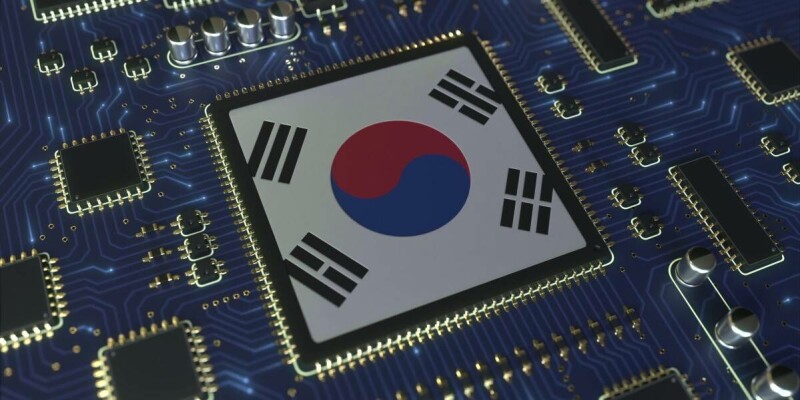
South Korea is developing a security-focused AI model intended to give the country sovereign capabilities for finding software vulnerabilities. The initiative reflects concerns that access to powerful US-developed AI systems could be restricted, potentially leaving other countries and their security agencies at a disadvantage.
Deputy Prime Minister Bae Kyung-hoon said the government hopes to adapt a locally developed frontier model with security training data and launch it by the end of 2026, eventually matching Anthropic’s Mythos. South Korea is also seeking proposals for a free public chatbot and an AI agent for government services, while considering AI tools for real-time fake-news detection and faster handling of public complaints.
In short
- South Korea plans a sovereign AI model for security vulnerability detection.
- The government targets a launch by the end of 2026.
- The move follows concerns over restricted access to US AI systems.
Steelman: both sides, in good faith
The strongest fair case each way — we don't pick a winner.
The case for
South Korea's pursuit of a sovereign AI security model reflects legitimate concerns about technological dependency during a period of geopolitical tension. Reliance on US-developed systems for critical cybersecurity functions creates vulnerability to potential export controls or sanctions, and building domestic capability ensures the nation can defend its infrastructure independently whilst aligning the technology with its specific strategic and governance priorities.
The case against
Developing a domestic security-focused AI model represents an inefficient duplication of existing capabilities when South Korea could instead adopt proven systems and direct resources toward implementing effective security practices. The vast investment required may not yield comparable quality to established models, whilst fragmentation of AI development across nations undermines international cooperation on cybersecurity standards and creates coordination problems that ultimately weaken collective security.
Explained simply
Artificial intelligence systems are increasingly used to find weaknesses in software that could be exploited to cause damage or steal information. The most advanced AI systems for this purpose are developed and controlled by American technology companies, which gives these companies significant influence over which countries and organisations can access these capabilities.
Many countries worry about depending on foreign companies for security-critical technology. If access to these AI systems were restricted or became unavailable, a country would struggle to protect its own digital networks and critical infrastructure.
South Korea is developing domestically-controlled AI tools to reduce dependence on foreign systems, particularly for security purposes. This reflects a global trend of nations seeking independent technological capabilities rather than relying entirely on systems built and controlled abroad.