World news and discussion on TalkFuse.
South Sudanese teenager denies piloting ‘mega dinghy’ with 167 people on board across the Channel
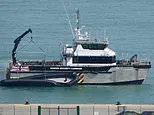
A South Sudanese teenager has denied piloting a so-called "mega dinghy" carrying 167 people across the English Channel, according to a court case reported by the Daily Mail. The case forms part of the ongoing legal response to small boat crossings, in which those accused of steering overcrowded vessels face prosecution under people-smuggling laws, reflecting continued scrutiny of Channel crossing operations.
The article text supplied does not include further specific details, such as the defendant's name, the date of the alleged crossing, the court involved, or the current stage of proceedings. The figure of 167 people aboard a single dinghy would be notably high, underscoring concerns about overcrowding and safety on such crossings, which have been a recurring issue in UK-France migration cases.
In short
- South Sudanese teenager denies piloting a Channel dinghy carrying 167 people.
- Case relates to ongoing prosecutions over small boat crossings.
- Full article details beyond the headline were not available to summarise.
Steelman: both sides, in good faith
The strongest fair case each way — we don't pick a winner.
The case for
Those steering overcrowded vessels across the Channel are participating in operations that endanger migrants and generate substantial profits for criminal networks. Prosecuting boat pilots serves a legitimate law enforcement purpose by deterring participation and holding individuals accountable for knowingly transporting people in dangerous circumstances. Supporters argue this approach is necessary to disrupt trafficking operations and protect vulnerable migrants from exploitation by criminal gangs.
The case against
Prosecuting individual boat pilots may misdirect law enforcement away from the criminal organisers and networks that actually profit from these operations and make strategic decisions. Many pilots are themselves asylum seekers or individuals operating under coercion, and evidence does not clearly show that prosecuting pilots effectively reduces crossings, whereas addressing underlying causes—asylum processing backlogs and absence of safe legal routes—might prove more impactful. This perspective suggests resources would be more effectively used targeting organisers whilst expanding legal pathways for asylum claims.
Explained simply
Small boats carrying migrants across the English Channel to the UK have been a significant ongoing issue for several years. People from countries affected by conflict, persecution, or limited economic opportunity attempt these crossings, often assisted by smuggling networks, to reach the UK.
Those who pilot such boats face prosecution under people-smuggling laws, which carry serious criminal penalties. In this case, a South Sudanese teenager has denied steering a vessel reported to have carried 167 people, an exceptionally large number for a single inflatable boat and one that raises concerns about passenger safety.
Deaths and injuries have occurred during previous Channel crossing attempts. Prosecutions of those who pilot boats form part of the authorities' legal response to this ongoing issue.