News, events and chat from Sheffield and South Yorkshire.
South Yorkshire firefighters doing a ‘fantastic job’ as recent rise in ‘avoidable’ blazes drains resources
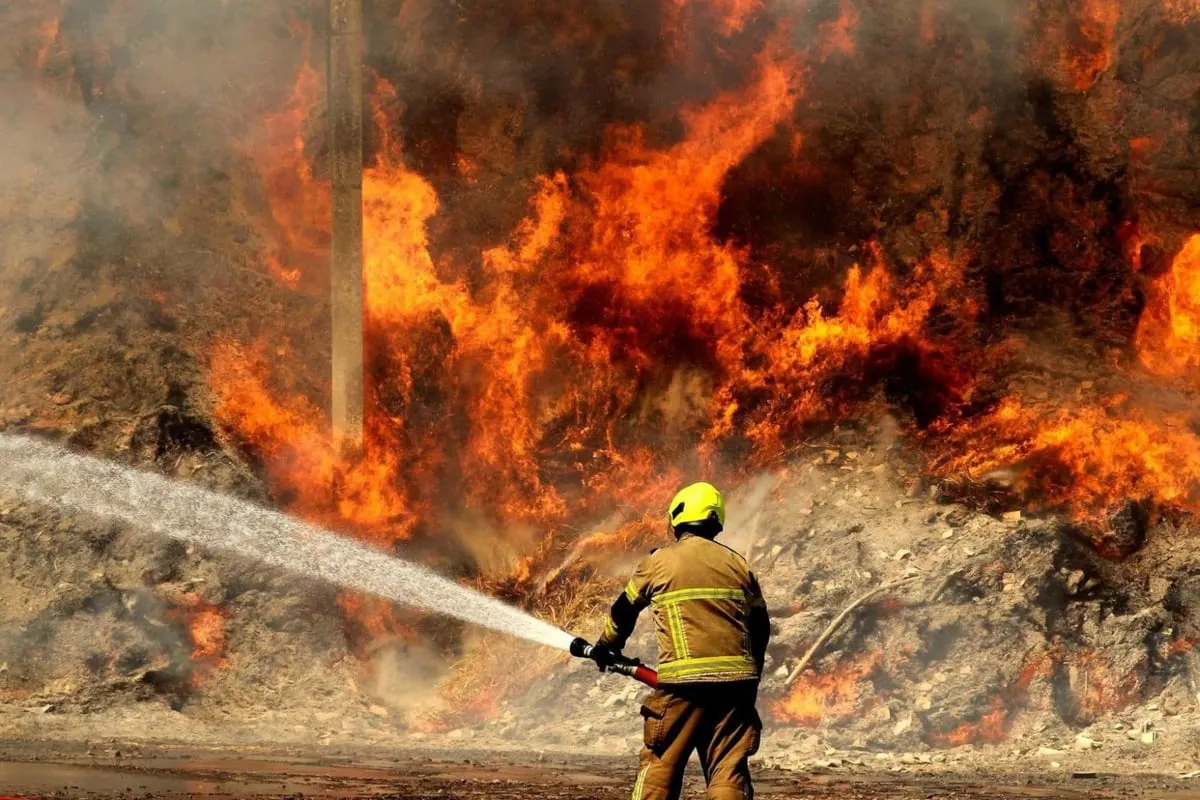
A significant spike in grassfires across South Yorkshire over the past week has stretched the fire service's operational capacity, forcing crews to respond to multiple incidents and occasionally leaving them unable to assist with other emergencies like road collisions or structure fires. The surge is placing strain on both firefighting personnel working around-the-clock and call centres managing dozens of reports, whilst also preventing the service from supporting neighbouring areas struggling with similar challenges during the recent heatwave.
Fire service officials have emphasised that the vast majority of these incidents are preventable through basic public precautions, identifying common causes such as unattended disposable barbecues, open campfires, improperly discarded cigarettes, littering with reflective materials like glass bottles, and domestic garden burning. The service has released safety guidance urging residents to follow established prevention measures to reduce the burden on emergency resources.
In short
- South Yorkshire firefighters responding to surge in grassfires straining resources and emergency response capacity
- Majority of incidents are preventable through public adherence to safety guidelines
- Service urges action on unattended barbecues, campfires, cigarettes, littering, and garden burning
Steelman: both sides, in good faith
The strongest fair case each way — we don't pick a winner.
The case for
The vast majority of these grassfires are entirely preventable through straightforward personal responsibility—unattended barbecues, discarded cigarettes, and garden burning are avoidable mistakes. The fire service has issued clear safety guidance yet remains dangerously stretched responding to preventable incidents that divert resources from genuine emergencies and neighbouring areas. The appropriate focus must be public compliance with established prevention measures; the guidance exists and people need to follow it.
The case against
Whilst individual precaution matters, framing a surge in grassfires during an exceptional heatwave primarily as a compliance issue may oversimplify a deeper challenge. If grassfires are becoming routine calls during summer months due to shifted fire risk and climate conditions, the fundamental response must be adequately resourcing emergency services to handle this evolved demand. Expecting perfect public behaviour during natural emergencies is unrealistic; the real lever for sustainable change is ensuring the fire service has capacity to manage actual conditions rather than perpetually relying on ideal public compliance.
Explained simply
South Yorkshire Fire and Rescue is the service responsible for attending fires and other emergencies across the county. Grassfires can spread quickly in hot, dry weather, and crews may have to tackle several at once.
Firefighters and call handlers must divide their time and equipment between incidents. When many crews are occupied, the service has less capacity to respond to other emergencies or help neighbouring areas.
Grassfires can be started by barbecues or campfires left unattended, discarded cigarettes, garden burning and litter such as glass. Taking care with flames and rubbish can reduce the risk of fires and the pressure on emergency services.