World news and discussion on TalkFuse.
Southeast Asian Cinema’s Global Rise Needs Long-Term Backing to Last, Says JAFF Chief Ifa Isfansyah
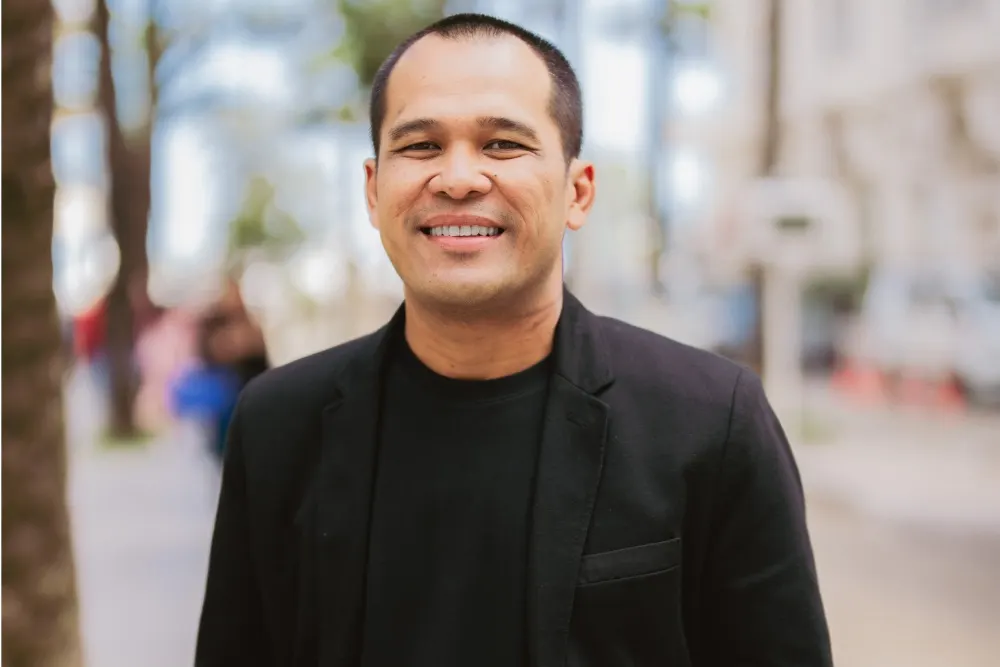
Ifa Isfansyah, festival director of the Jogja-Netpac Asian Film Festival (JAFF) and an Indonesian producer, argues that Southeast Asian cinema's growing quality and international profile need long-term backing to last. He says recognition so far rests on individual films and filmmakers rather than a sustained strategy, calling it more of an anomaly than a structural shift. He singles out the Philippines for consistently developing talent and maintaining a presence abroad.
JAFF's 21st edition received more than 1,000 submissions and selected 254 films from 34 countries under the theme "Influx". It opens with Lawrence Fajardo's Filipino drama "Silenced Nights" and closes with Ueda Makoto's Japanese comedy-drama "You Are the Film". Isfansyah says the current climate led the team to avoid an overly festive tone, and he notes that short films are becoming spaces for creative risk-taking, with many submissions more politically engaged.
In short
- Southeast Asian cinema's rise needs long-term institutional and cultural backing.
- Recognition currently depends on individual films rather than a sustained national strategy.
- JAFF's 21st edition selected 254 films from over 1,000 submissions.
Steelman: both sides, in good faith
The strongest fair case each way — we don't pick a winner.
The case for
Advocates of sustained backing argue that recognition built on individual films is fragile, because talent that is not nurtured through training, co-production funding and steady festival and distribution support often stalls after a single success. Public and institutional investment, they contend, gives filmmakers the time and security to take creative risks, build a body of work and establish a presence abroad, as the Philippines has done over many years. In this view, strategy is not state interference but a way of widening access beyond a few well-connected names and turning isolated achievements into a lasting industry. Such support can also help the region's more politically engaged and experimental work reach audiences that might otherwise never see it.
The case against
Those sceptical of a centrally directed strategy point out that the region's most celebrated films have often emerged from individual vision rather than policy design, and that a mature industry should be able to sustain itself through audience demand and private investment. They warn that funding bodies, however well-meaning, can steer output towards what officials or festival programmers find fashionable, favouring safe themes or endorsed narratives over artistic independence, and that political engagement can be quietly shaped by whoever controls the purse. From this perspective, the current rise may be better described as a cluster of exceptional talents arriving at the right moment, and treating it as a structural trend risks building expectations and bureaucracy around something better left to the market and the filmmakers themselves. Caution, they argue, is wiser than ambitious programmes that could crowd out the spontaneity that made the work distinctive.