World news and discussion on TalkFuse.
Southeast Asian leaders open annual summit with major conflicts and their impact topping the agenda
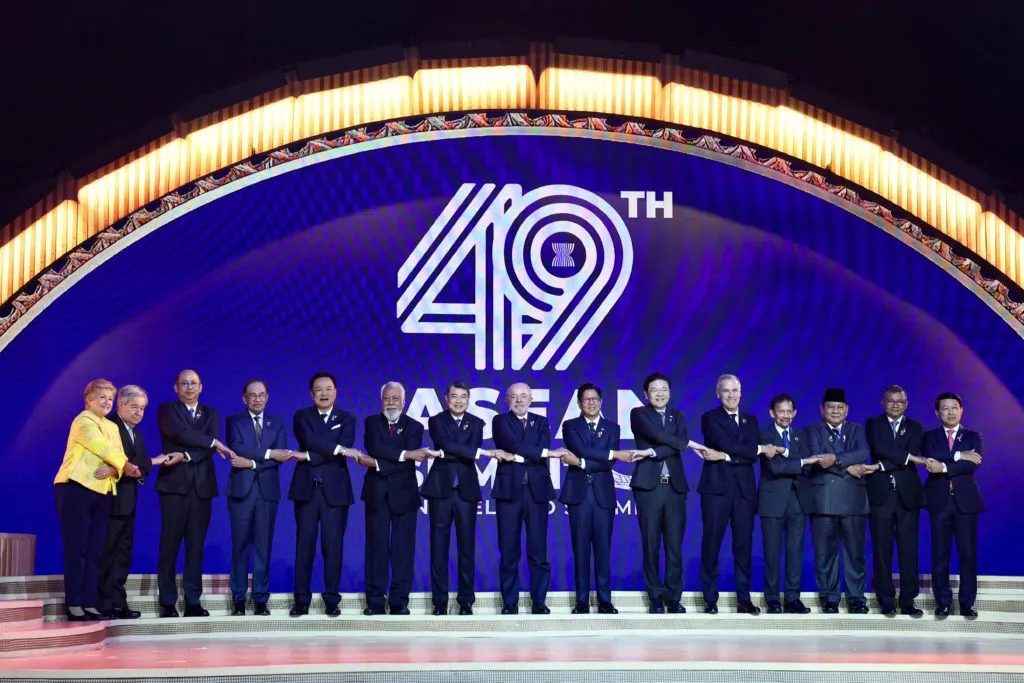
Southeast Asian leaders opened a three-day ASEAN summit in Manila, with conflicts and their regional effects high on the agenda. They are expected to call for peaceful resolutions and stronger protection for economies and citizens, while stressing unity amid geopolitical tension and economic uncertainty.
Draft statements highlight international law, freedom of navigation and disputes in the South China Sea, alongside Myanmar’s civil war and the war in the Middle East. US President Donald Trump is due to arrive after the main summit meetings, attend several regional discussions and meet Philippine President Ferdinand Marcos Jr before travelling to China for the APEC summit.
In short
- ASEAN leaders put global conflicts and their consequences at the centre of talks.
- Draft statements call for peaceful dispute resolution and respect for international law.
- Trump is expected in Manila before travelling to China for APEC.
Steelman: both sides, in good faith
The strongest fair case each way — we don't pick a winner.
The case for
ASEAN leaders have reason to put conflict, international law and freedom of navigation at the centre of the summit: disputes and wars can threaten regional stability, trade and the safety of civilians. A shared call for peaceful resolution and stronger economic resilience could help smaller states protect their interests while preserving room for diplomacy amid major-power rivalry.
The case against
A broad, united message may be too cautious to influence parties to the conflicts, and strong language on contested issues could strain relations with powerful partners or deepen divisions within ASEAN. Leaders may therefore argue that practical cooperation and quiet diplomacy are more effective than public declarations, especially when member states have differing interests and limited leverage.
Explained simply
ASEAN is a regional group of 11 Southeast Asian countries that meet to discuss shared concerns, including trade, security and relations with larger powers. Its leaders hold an annual summit, where they try to agree common positions while each government retains its own policies.
The South China Sea is a major shipping route, and several countries in the region have overlapping territorial claims there. Myanmar has been in civil war since its military seized power in 2021, while conflict in the Middle East can affect regional security, energy supplies and trade.
The issues matter because conflict and tension can disrupt commerce and affect people across borders. ASEAN’s efforts to speak with one voice are also shaped by its members’ different interests and ties with countries such as the United States and China.
Asia Geopolitics Politics World