Politics news and discussion on TalkFuse.
SpaceX First In Line As Texas Resumes Data Center Permitting
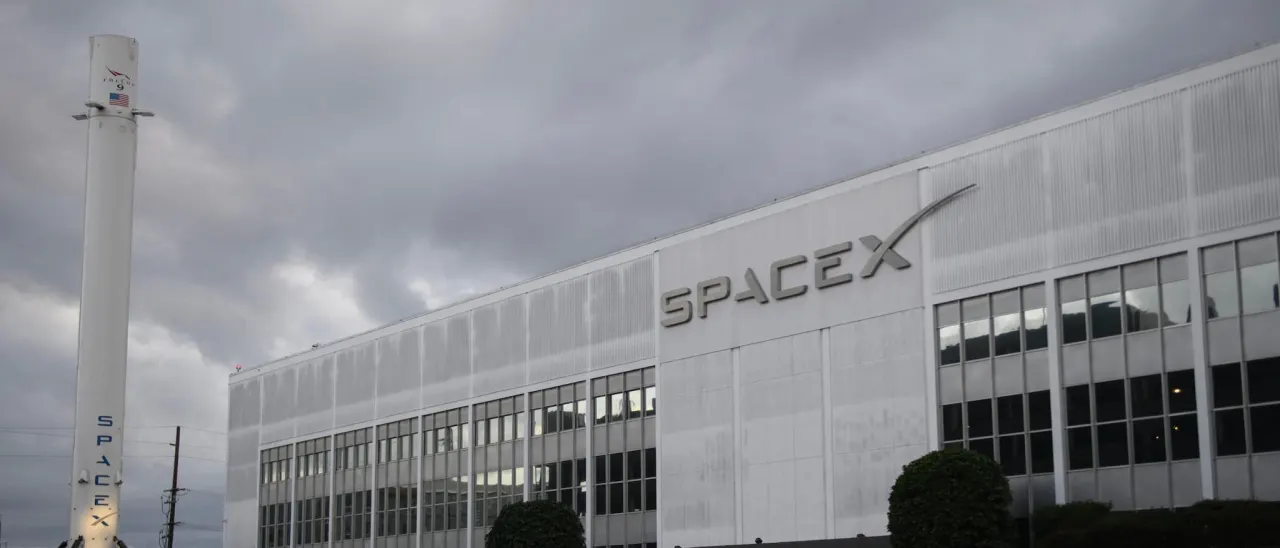
Texas issued SpaceX an air permit on 16 November for a planned data centre and gas-fired power plant near the Port of Brownsville, after pausing data centre permits in September. The project is presented as a model for limiting pressure on the electricity grid because it would generate its own power; the article argues that the delay was politically motivated and could undermine investor confidence.
The 444-acre campus is planned to have 35 natural gas turbines producing 750 megawatts, with SpaceX saying its energy use will not compete with local homes and businesses or shift costs to ratepayers. The company says the project represents more than $24 billion in investment, will support over 500 permanent jobs and has already created more than 3,000 construction jobs; it also plans to contribute $220 million to Brownsville water and wastewater systems. ERCOT’s full findings on community impacts are due on 10 December, while incoming Governor Gina Hinojosa has said she would keep approvals paused until lawmakers establish new rules.
In short
- Texas granted SpaceX an air permit for its planned data centre and power plant.
- The project would generate 750 megawatts with 35 gas turbines.
- The permit pause ended before ERCOT’s full findings are due.
Steelman: both sides, in good faith
The strongest fair case each way — we don't pick a winner.
The case for
Approving the permit can be defended as allowing a major investment to proceed under existing rules, with SpaceX proposing to generate its own electricity rather than add direct demand to the grid. The project could bring jobs and substantial contributions to Brownsville’s water and wastewater systems, while a prolonged, politically driven pause could make Texas a less predictable place to invest.
The case against
Pausing approval until the rules are clear can be defended as prudent oversight of a large gas-fired power plant and data centre whose effects on nearby communities, water systems and the electricity market are still being assessed. Waiting for ERCOT’s findings and common standards could help ensure that promised benefits materialise, local residents are protected, and costs or risks are not ultimately passed on to the public.
Explained simply
SpaceX is a US company best known for building rockets and satellites. It is also developing a large data centre campus near the Port of Brownsville in Texas, alongside a power plant fuelled by natural gas.
Texas manages permits for projects that can affect air quality, while the state’s electricity grid is overseen by ERCOT. The planned site would use 35 turbines to produce its own electricity, and SpaceX says this would avoid adding demand or costs for local households and businesses.
The project has drawn attention because it combines a major technology investment with questions about energy, pollution and local services. Texas officials and lawmakers are considering how data centres should be approved, and the decisions may affect future projects and investors’ expectations.