SpaceX’s growing independence raises questions about NASA’s future plans
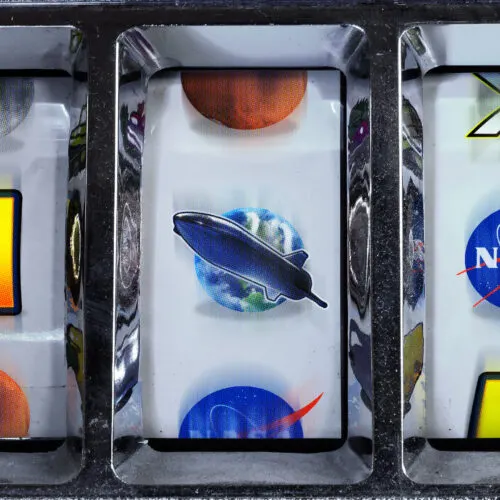
SpaceX has become so important to US space operations that NASA may now depend on the company more than the company depends on NASA. The article says SpaceX is taking on fewer major government spaceflight contracts, raising concerns about NASA’s ability to meet its goals as China’s space programme grows and Russia remains a threat.
NASA helped SpaceX survive its early years with major development and cargo contracts, and has since awarded the company about $20 billion. SpaceX is still fulfilling existing agreements and remains a comparatively low-cost, reliable provider, but it expects much of its future revenue to come from artificial intelligence and continues to pursue some government data-services work.
In short
- NASA has awarded SpaceX about $20 billion over two decades.
- SpaceX is signing fewer major government spaceflight contracts.
- NASA and the Space Force face growing pressure from China and Russia.
Steelman: both sides, in good faith
The strongest fair case each way — we don't pick a winner.
The case for
NASA’s reliance on a single, increasingly independent provider could leave its plans exposed if SpaceX shifts its priorities or capacity. With China’s space programme advancing and Russia still posing a threat, NASA needs dependable access to launch and other services; cultivating alternative providers and retaining public-sector capability could strengthen resilience and preserve strategic control.
The case against
SpaceX’s reduced appetite for new major spaceflight contracts need not mean NASA is losing a reliable partner: the company is still fulfilling existing agreements and has been a comparatively low-cost provider. Its independence may reflect a more mature commercial market, and NASA can use competition among providers to meet its goals without assuming that one company must remain dependent on government contracts.
Read the full article at the source →
Originally published by Ars Technica as “SpaceX no longer needs NASA, and that’s a problem for America’s space agency”.