Entertainment news and discussion on TalkFuse.
SpaceX Starship Flight Test 13 takes issue with the ‘flight’ bit
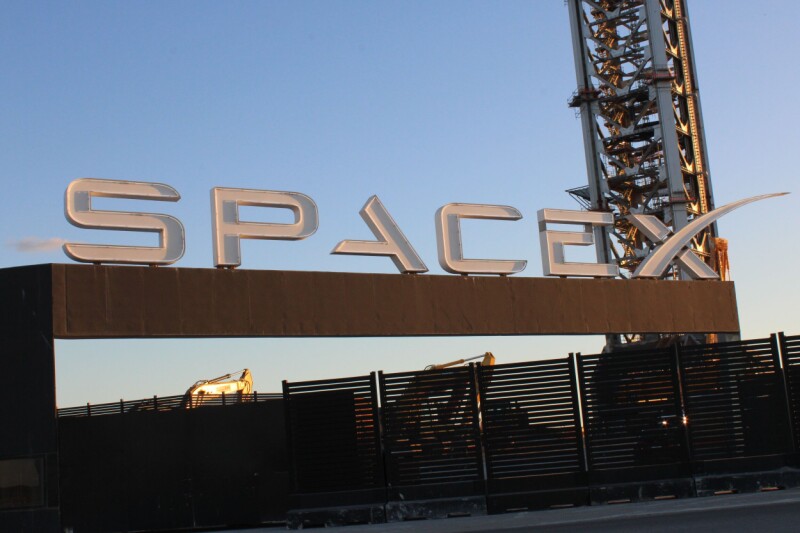
SpaceX's 13th Starship flight test was aborted at the launchpad on 16 July 2026 after four Raptor engines on the booster failed to ignite, triggering the vehicle's automated abort system moments before liftoff. The incident is embarrassing for a rocket that must fly repeatedly and reliably to meet NASA's Artemis Moon-landing timeline, and it comes as SpaceX's stock has been sliding since a recent surge briefly made Elon Musk a paper trillionaire.
Musk said engines would be removed and replaced, with launch "most probable" early the following week, though it remains unclear whether the booster will need to be de-stacked to carry out repairs. This was the second test of Starship's new V3 configuration, and a successful flight demonstrating in-space engine reignition would let SpaceX progress beyond suborbital tests, something needed urgently given Artemis III is due to launch in 2027 and NASA plans to use Starlink to relay Artemis III imagery from Orion. Following the abort, SpaceX shares fell to just over $131, below the $135 IPO price that had valued the loss-making company at around $1.78 trillion; SpaceX has since said it will attempt another launch "as early as Thursday, July 23."
In short
- Starship Flight 13 aborted at the pad after four engines failed to start
- Two Raptor engines being replaced; new attempt targeted for 23 July
- Delay pressures SpaceX's Artemis timeline and battered stock price
Steelman: both sides, in good faith
The strongest fair case each way — we don't pick a winner.
The case for
Developmental test failures are an expected and necessary part of iterative space exploration; the automated abort system functioned perfectly by preventing a potentially catastrophic launch, which is precisely what such safeguards exist to do. SpaceX's proven track record of rapid problem-solving and turnaround time demonstrates engineering competence, and a single setback in the testing phase does not undermine the broader programme's trajectory or the company's demonstrated ability to iterate and improve quickly.
The case against
Multiple engine ignition failures at the pad represent a genuine concern given the unforgiving Artemis III timeline and the mission-critical dependencies NASA is placing on Starship's reliability. For a vehicle explicitly required to fly repeatedly and reliably, several simultaneous engine failures suggest potential systemic issues rather than isolated anomalies, and rushing the next launch attempt within days rather than conducting thorough investigation prioritises schedule pressure over the rigorous engineering standards necessary for human spaceflight.
Explained simply
SpaceX's Starship is a fully reusable spacecraft system designed to carry cargo and eventually people to orbit, the Moon, and Mars. The company is conducting a series of test flights of increasing complexity to develop and validate the technology, progressing from suborbital flights towards demonstrations of orbital capability and engine reignition in space.
NASA has selected Starship as the lunar lander for Artemis III, its planned human Moon landing mission scheduled for 2027. This selection means SpaceX's development and testing programme is critical to the US space agency's near-term objectives and gives the company an urgent deadline to demonstrate the reliability and capability required for crewed lunar missions.
Starship must progress through a rigorous series of successful test flights to prove it is safe and reliable enough to carry astronauts to the Moon. The planned Artemis III launch date creates substantial time pressure on SpaceX to complete its testing and development work, leaving limited room for delays or setbacks that would push back the overall programme.
Celebrity Culture Entertainment Space Technology Travel